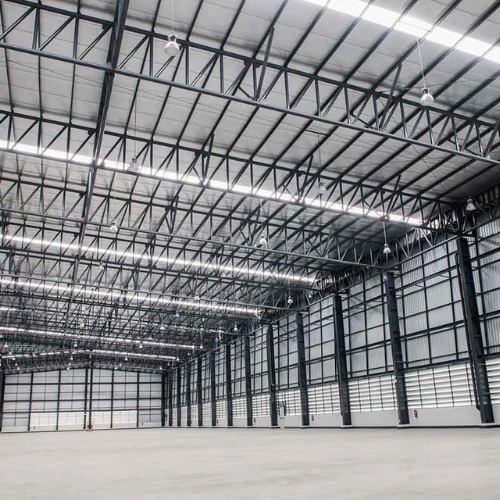
A roof does not fail all at once. It starts with a stain on the ceiling, a drip near a machine after the first heavy rain, or a shed that feels hotter every summer. Many factory owners patch these problems again and again, and spend more on repairs than a proper replacement would have cost.
This guide helps you decide when to repair, when to replace, what to inspect before you start and how to choose the new roof. It is written for owners and plant managers of older sheds across Ahmedabad, Gandhinagar and the wider Gujarat industrial belt.
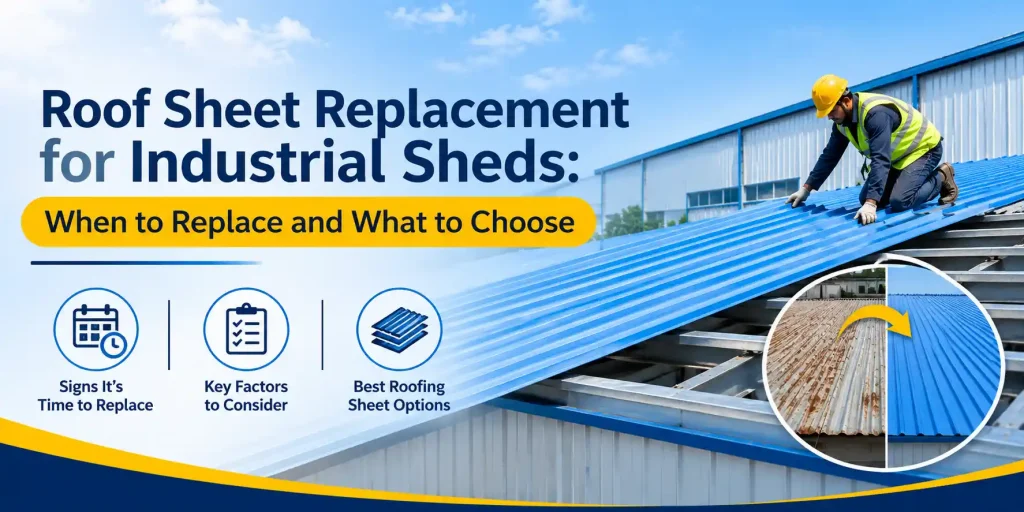
Signs Your Industrial Roof Needs Replacement
Not every problem means a new roof. Watch for these signs, especially when several appear together.
- Repeated leaks. If new leaks appear after you fix old ones, the sheets or fasteners are failing across the roof, not in one spot.
- Widespread rust. Surface rust on a few sheets can be treated. Rust that has eaten through the metal, or appears along the laps and edges, means the coating has failed.
- Loose, corroded or missing fasteners. Failing screws let the sheets move, which opens gaps and invites water.
- Sagging or warped sheets. This points to overloaded or damaged supports beneath the sheets.
- A shed that is getting hotter. Faded, chalky or corroded sheets reflect less heat, and the building warms up faster than before.
- Noise and vibration in wind. Loose sheets rattle and lift, which is a safety concern.
- Light patches. Cracked translucent panels or pinholes in the metal let in light and water.
Repair or Replace: How to Decide
A repair makes sense when the damage is local, the sheets are otherwise sound, and the supports are in good condition. Replacement makes sense when:
- Problems appear in many places, not just one
- The coating has failed over large areas
- The cost of repeated repairs is approaching the cost of a new roof
- You also want better insulation, daylight or drainage
A useful test is to add up what you have spent on leak repairs over the last few years. If the amount is significant and the leaks keep returning, a planned replacement is usually the cheaper path.
What to Inspect Before You Replace the Sheets
New sheets are only as good as what holds them up. Before ordering, have the following checked.
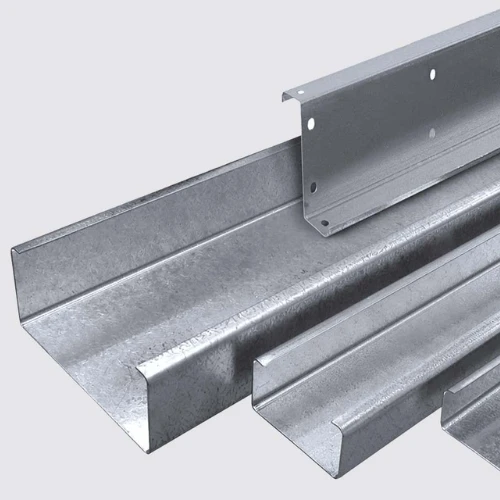
- Purlins. Rusted or bent purlins cannot hold new sheets properly. Check their condition, spacing and fixing points. If they need replacing, read our guide to Z and C purlins.
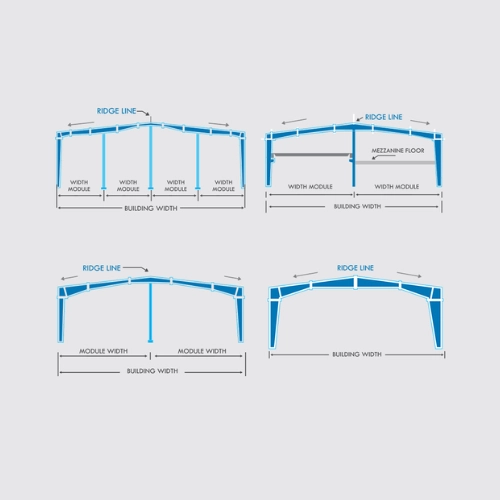
- Main frame and connections. Look for corrosion at column bases, rafter joints and bolted connections.
- Roof slope and drainage. Water that pools on the roof will find a way in. Check slopes, gutters and downspouts as part of the same job.
- Existing loads. If you have added equipment, solar panels or services to the roof, the structure must carry them along with the new sheets.
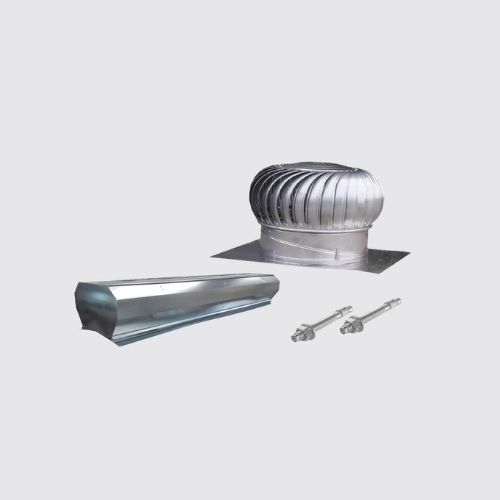
- Openings and penetrations. Ventilators, skylights and pipes need proper flashing so they do not become new leak points.
An honest inspection at this stage prevents the most expensive surprise: new sheets laid on weak supports.
Choosing the New Roof
Replacement is the best moment to correct what the old roof got wrong. Instead of copying the original specification, ask what has gone wrong with it.
- If heat is the problem, consider insulated roofing. Our guide to warehouse roof insulation explains the options.
- If rust and coating failure are the problem, pay attention to coating quality. See why paint thickness matters when you compare suppliers.
- If noise or leaks at joints are the problem, look at the fixing details and how the design handles expansion and contraction.
- If the shed is dark inside, plan translucent panels at the same time instead of cutting openings later.
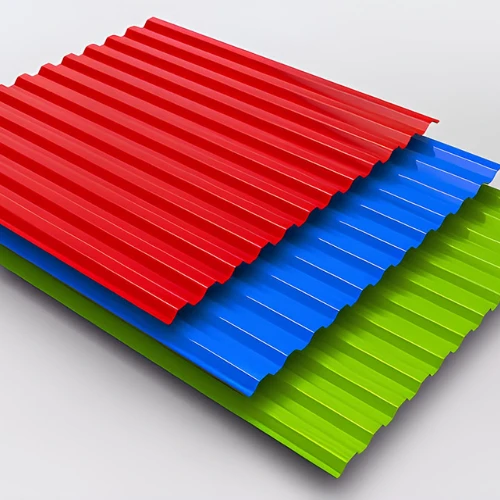
For a full checklist when comparing sheets and suppliers, read what to check before selecting metal roofing sheets. You can also see the options in our roofing and wall panels range.
Do Not Forget Trims, Flashing and Drainage
Many leaks after a replacement come from the edges, not the sheets. Ridge caps, eave and gable trims, and flashing around openings seal the places where water is most likely to enter. Use matching trims and flashing and make sure gutters and downspouts can carry the water away.
How a Replacement Is Usually Planned
The exact method depends on the site, but a well-run replacement usually follows this order.
- Survey and measurement. Record roof size, slope, sheet lengths, openings and the condition of supports.
- Specification. Decide sheet type, thickness, coating, insulation and accessories.
- Repairs to supports. Fix or replace damaged purlins and treat rust before new sheets go on.
- Phased removal and installation. Work in sections where possible, so part of the building stays covered and operations can continue.
- Sealing and finishing. Fit flashing, trims and sealants, then inspect fixings.
- Final check. Test drainage and look for any gaps before the team leaves.
Doing the work in sections is especially useful for plants that cannot shut down. Plan the schedule around the weather, since the monsoon is the worst time to leave a roof open.
Common Mistakes to Avoid
- Laying new sheets over damaged purlins. The problem returns within a few seasons.
- Choosing only on price. Thin sheets with a weak coating cost less now and more later.
- Ignoring the gutters. A new roof with an old, blocked drainage system still causes damp walls.
- Replacing like for like. If heat or daylight was the complaint, the same sheets will repeat the problem.
- Starting just before the monsoon. Time the work so that it can be finished and sealed before heavy rain.
Plan Your Roof Replacement with Choice Pre-Fab
Choice Pre-Fab LLP manufactures roofing sheets, insulated panels, purlins and trims in Ahmedabad, so the sheets, supports and finishing parts match. Send us your roof details and photos, and our team will help you decide what to replace and what to choose.
Talk to our team and get a free quote
Frequently Asked Questions
How long does an industrial metal roof last?
It depends on the coating, thickness, exposure and maintenance. Coastal air, chemical fumes and poor drainage shorten the life of a roof, while good coatings and regular inspection extend it.
Can I replace roof sheets while the factory is running?
Often yes, if the work is phased in sections and the schedule is planned carefully. Work is easier where production can move away from the section being replaced, but the plan depends on your layout.
Do I need to replace the purlins as well?
Only if they are rusted, bent or undersized for the new roof. Have them inspected before you order sheets, since weak supports undo the benefit of a new roof.
Can I add insulation when replacing the roof?
Yes. Replacement is a good time to switch to insulated panels or add an insulating layer, since the roof is already open and access is easy.
Is it better to repair leaks or replace the roof?
Repair if the damage is local and the sheets are sound. Replace if leaks, rust or loose fasteners appear across the roof, or if repair costs keep adding up.
How do I choose between metal and translucent sheets?
Use metal for most of the roof, and translucent panels where you need daylight. Keep translucent areas balanced, since too many raise the heat inside.
How do I get a quote for roof sheets?
Share your roof dimensions, photos and current problems with our team through the contact page, and we will advise on sheet type and quantity.