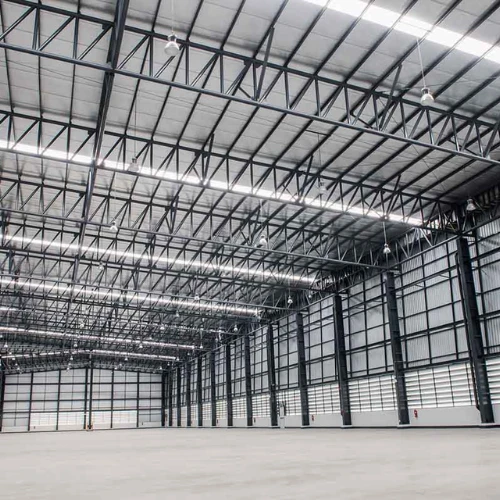

Planning a new industrial facility or warehouse involves hundreds of decisions, but few impact your long-term operational costs as much as your roofing choice. Your roof is not just a weather shield. It is a primary factor in temperature regulation, energy efficiency, and asset protection. As you navigate the options, you will likely face a common decision: Single Skin vs. Sandwich Roof Panels.
At Choice Prefab LLP, we understand that every project has unique requirements. Whether you are building a simple storage shed or a sophisticated manufacturing plant, choosing the right roof panels can define the efficiency of your building.
In this guide, we break down the differences, benefits, and best use cases for both options to help you make an informed decision.
Understanding Single Skin Roof Panels
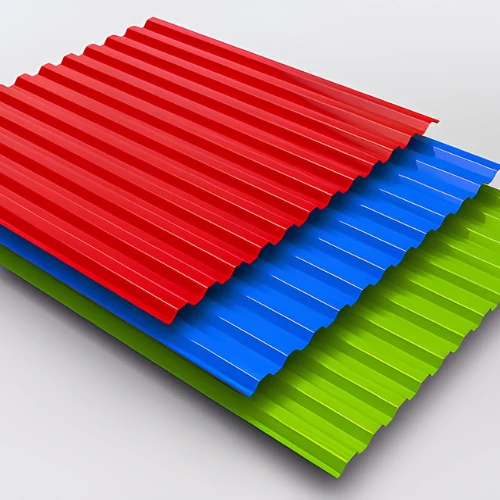
Single skin roof panels are exactly what they sound like. They consist of a single layer of metal sheet, typically crafted from high-tensile steel, Galvalume, or Pre-Painted Galvanised Iron (PPGI). These are the traditional choices for basic cladding and roofing needs. As a leading roof sheet manufacturer, we often recommend these for projects where budget is the primary driver and thermal insulation is not a critical factor.
Key Benefits:
- Cost-Effective: They are significantly cheaper to manufacture and install compared to insulated options.
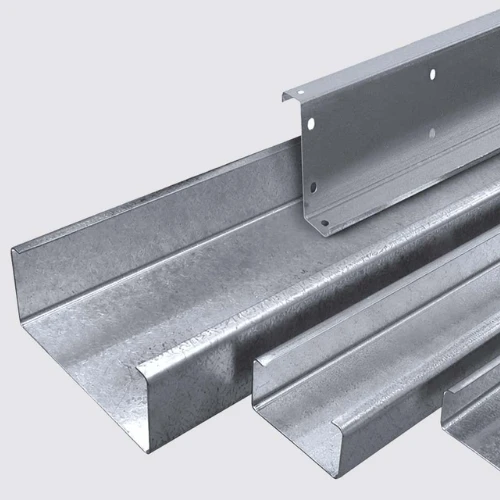
- Lightweight: Being lighter, they place less load on the structural frame and roofing purlins.
- Easy Installation: The sheets are easy to handle, cut, and fix. This speeds up the construction timeline.
Best Used For:
- Open-sided agricultural sheds.
- Car parks and simple storage shelters.
- Warehouses storing non-perishable goods where temperature control is unnecessary.
While single skin roof panels offer excellent weather protection, they have limitations regarding heat retention and noise reduction. If you are operating heavy machinery that generates noise, or if your location experiences extreme heat, you might need a more advanced solution.
Understanding Sandwich Roof Panels
Sandwich roof panels, often referred to as insulated panels, consist of a core of insulating material (such as PUF, EPS, or Rockwool) sandwiched between two metal sheets. This “sandwich” structure provides superior thermal and acoustic properties. As a modern prefab roof solution, these panels are becoming the standard for energy-efficient buildings.
Key Benefits:
- Superior Thermal Insulation: The core material keeps the interior cool in summer and warm in winter. This significantly reduces energy costs for air conditioning systems.
- Sound Insulation: The density of sandwich roof panels helps dampen noise from heavy rain, wind, and external industrial activity.
- Structural Rigidity: The composite structure adds strength and allows for wider spans between supports.
- Condensation Control: They prevent moisture buildup on the underside of the roof, which protects goods.
- Fire Safety: Cores like Rockwool provide excellent fire resistance and enhance the safety compliance of your facility.
Best Used For:
- Cold storage facilities and food processing plants.
- Factories with human workforces need a comfortable environment.
- Office complexes within industrial zones.
- Textile and pharmaceutical units require strict temperature control.
Key Differences: Breaking It Down
To help you decide, here is a quick comparison of how these two options stack up against each other.
| Feature | Single Skin Roof Panels | Rigid, high-strength-to-weight ratio |
| Thermal Insulation | Low (Conducts heat, gets hot quickly) | High (Excellent barrier against heat) |
| Initial Cost | Economical (Low upfront investment) | Higher (Investment in material & insulation) |
| Energy Efficiency | Low (Higher cooling costs) | High (Reduces electricity bills) |
| Sound Proofing | Minimal (Noisy during heavy rains) | Superior (Dampens external noise) |
| Structural Strength | Flexible, lightweight | Rigid, high strength-to-weight ratio |
| Condensation Risk | Higher (Requires ventilation) | Minimal (Insulation prevents buildup) |
| Installation Speed | Very Fast | Fast (Modular interlocking system) |
1. Thermal Efficiency
This is the biggest differentiator. Single skin roof panels act as a thermal bridge. They conduct heat directly into your facility. If it is 40°C outside, the internal temperature rises rapidly. In contrast, sandwich roof panels act as a thermal barrier. For businesses in India where temperatures can rise high, this does not just lower electricity bills. It maintains a comfortable environment that significantly improves workforce productivity.
2. Structural Support and Purlins
Both panel types are supported by roofing purlins, but due to the added rigidity of sandwich panels, you can sometimes space the purlins further apart. However, single skin panels are lighter, which might allow for a lighter overall structural frame in smaller buildings.
3. Durability and Lifespan
Both options are durable if maintained well. However, sandwich panels are superior in coastal or high-humidity areas as the insulation prevents the ‘sweating’ that accelerates corrosion in single skin sheets.
4. Cost Implications
Single skin roof panels have a lower upfront material cost. However, sandwich roof panels offer better value for money over time due to energy savings. When you view your roof as a long-term asset, the insulated option often pays for itself.
Which Roof Panels Are Right for You?
The choice ultimately depends on the purpose of your building.
Choose Single Skin Roof Panels if:
- You are building an uninsulated warehouse or shed.
- Your budget is tight and initial construction costs are the main concern.
- Noise and temperature control are not priorities for your operations.
Choose Sandwich Roof Panels if:
- You need to maintain a controlled internal temperature (e.g., for staff comfort or sensitive goods).
- You want to reduce long-term energy expenditure.
- You require a robust prefab roof solution that offers soundproofing against heavy rain or industrial noise.
Why Choose Choice Prefab LLP?
As a premier PEB manufacturer in India, we do not just sell products; we deliver solutions. We have successfully completed over 250 projects and ensured that our clients get the best structural integrity and aesthetic finish.
Whether you need lightweight sheets or heavy-duty sandwich roof panels, we manufacture our products to meet global quality standards. Our team assists you from the design phase, helps you select the right profile and roofing purlins, and stays with you right up to the final installation.
Ready to optimise your project’s cost and durability? Explore our range of high-quality roof panels and wall systems here: Roofing & Wall Panels.
Frequently Asked Questions (FAQs)
1. Can sandwich roof panels be used for residential buildings?
Yes, sandwich roof panels are increasingly used in modern residential architecture for their aesthetic appeal and excellent heat insulation properties. They keep homes cooler in hot climates.
2. Are single skin roof panels waterproof?
Absolutely. When installed correctly with the right overlaps and sealants, single skin roof panels provide excellent waterproofing and protection against storms.
3. Do sandwich panels require more maintenance than single skin panels?
Generally, no. Both types of roof panels are low-maintenance. However, sandwich panels are less prone to condensation-related issues on the underside, which can be an advantage.
4. How much energy can I save with insulated roof panels?
While it depends on the building size and usage, businesses can often see energy savings of 20-30% on cooling costs by switching to insulated roof panels.
5. Do you provide installation support?
Yes, at Choice Prefab LLP, we offer comprehensive support for our prefab roof solution products to ensure your roof is installed safely and efficiently.