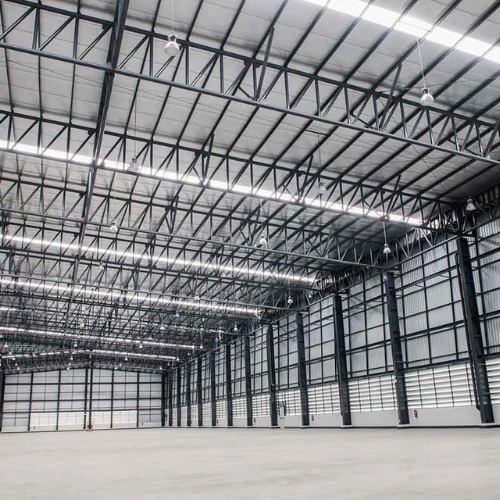
A metal shed traps heat. On a summer afternoon in Gujarat, hot air rises, collects under the roof and stays there unless it has somewhere to go. The result is an uncomfortable workspace, stored goods exposed to heat and humidity, and machines that run harder than they should.
Roof ventilators, louvers and skylights are the accessories that fix this. They are small compared with the rest of the building, but they decide how the shed breathes. This guide explains how each one works, where to place it and which mistakes to avoid, so you can brief your PEB manufacturer with confidence.
Why Ventilation Matters in a Metal Shed
Ventilation does three jobs in an industrial building.
- Removes heat. Hot air collects at the roof peak. Letting it out lowers the temperature at working height.
- Controls moisture. Humid air condenses on cool surfaces, which leads to dripping, rust and damp stock. Moving air reduces this risk.
- Improves air quality. Dust, fumes and stale air need a way out, especially in workshops and production units.
Insulation reduces the heat that enters the building. Ventilation removes the heat that is already inside. They solve different problems, and a good design uses both. For the insulation side, read our guide to warehouse roof insulation.
How Natural Ventilation Works
Natural ventilation relies on two simple effects.
- The stack effect. Warm air is lighter and rises. If there is an opening at the roof peak and another low on the walls, hot air leaves through the top and cooler air enters at the bottom.
- Wind pressure. Wind pushes air into openings on one side and pulls it out on the other.
The shed only breathes well when both an inlet and an outlet exist. A ventilator on the roof with sealed walls and closed doors does very little. This is the most common reason new ventilators seem not to work.
Types of Roof Ventilators and Where They Fit
Turbo Ventilators
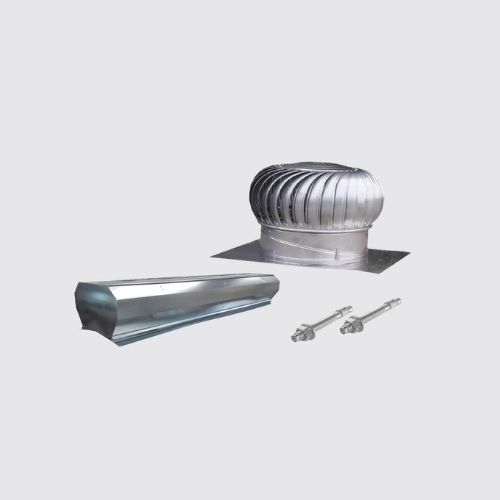
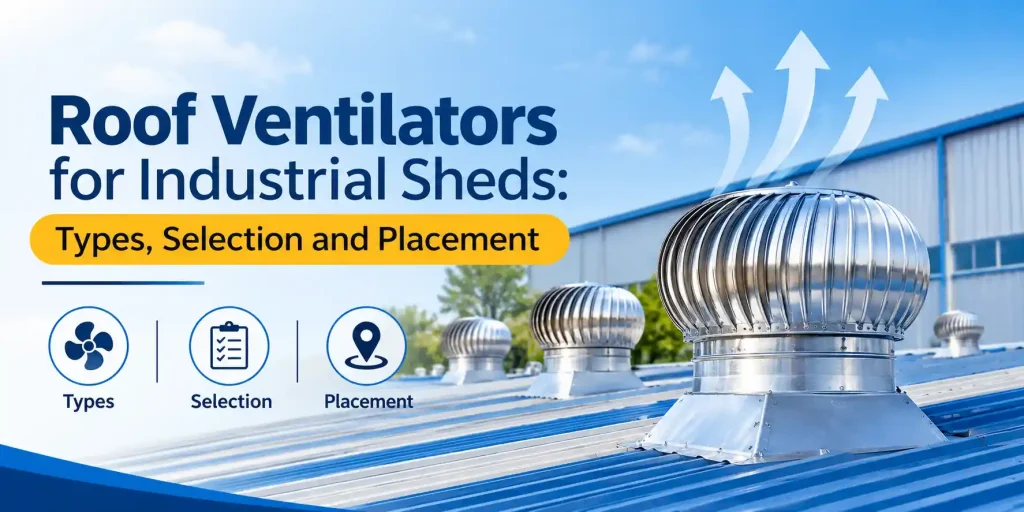
Turbo ventilators are wind-driven rotating units mounted on the roof. As the turbine spins, it pulls hot air out of the building. They need no electricity, which makes them popular for warehouses and godowns where running costs matter. They work best where there is regular wind and enough inlet area below.
Ridge Ventilators
Ridge ventilators run along the peak of the roof and give a continuous opening for hot air to escape. They suit long, gable-roofed sheds, and the design is built into the roof from the start. Because the ridge is the highest point, they take advantage of the stack effect fully. Discuss them at the design stage, since they are much easier to plan than to retrofit.
Wall Louvers
Louvers are slatted openings in the wall. They let air in or out while keeping rain and birds away. Placed low, they act as inlets. Placed high, they act as outlets. Good louver placement is what makes a roof ventilator effective.
Roof Monitors
A roof monitor is a raised section along the roof with openings or glazing on its sides. It can do two jobs at once, letting hot air escape and bringing in daylight. It suits wider buildings with multiple bays, and works well with multi-span roof designs.
Powered Exhaust Fans
Where natural ventilation is not enough, such as in paint shops, welding bays or food units, powered fans move air on demand. Many sheds use natural ventilation across the general area and fans only in the zones that need them.
Skylights and Daylighting: Helpful, But Balance Them
Translucent panels let daylight into the shed and cut the need for lamps during the day. The trade-off is heat gain. Too many skylights can raise the indoor temperature, especially on a roof without insulation.
A few practical rules:
- Spread skylights evenly, so there are no dark patches or hot spots.
- Keep them to a modest share of the roof area. Your designer can recommend a figure for your orientation and use.
- Pair daylighting with ventilation, so the extra heat has a path out.
For material choices in translucent roofing, see our guide to polycarbonate roofing sheets for industrial sheds.
How to Decide What Your Shed Needs
Work through these questions with your manufacturer.
- What happens inside? Storage, assembly, welding, cold storage and food handling all need different air movement.
- How big and how tall is the building? Taller sheds build up a larger layer of hot air, and wider sheds need ventilation spread across more bays.
- Which way does the wind blow on your site? Orientation affects where inlets and outlets should go.
- Is the roof insulated? An insulated roof lowers the heat load, which can reduce how much ventilation you need.
- Will the use change later? If you may add machinery or a mezzanine, allow for extra heat now.
Ventilation requirements depend on use, building size and local conditions, so ask for a design recommendation instead of copying numbers from another site.
Common Mistakes to Avoid
- Outlets without inlets. Roof ventilators need low-level openings to pull air through.
- Ventilators bunched in one spot. Spread them along the roof so air moves through the whole shed.
- Poor sealing at the roof. A badly flashed ventilator base leaks. Use proper trims and flashing around every roof opening.
- Ignoring ventilation in the design stage. Adding openings after the roof is built costs more and is harder to place well.
- Relying on skylights alone. Daylight without ventilation turns the shed into a greenhouse.
Plan Ventilation as Part of the Whole Shed
Ventilation works best when it is designed together with the frame, roof sheets, insulation and layout, rather than added last. If you are still deciding on size, height and layout, start with our warehouse sheds design guide. To compare roof sheet types that suit warehouses, see our roofing panels guide.
Roof Ventilators and Accessories from Choice Pre-Fab
Choice Pre-Fab LLP manufactures PEB structures in Ahmedabad and supplies the accessories that go with them, including turbo ventilators, louvers and ventilators, and skylights and roof monitors. Because the building and its accessories come from one source, openings are planned into the roof from the start and the fittings match your sheets and profiles. Explore our full accessories range.
Get Ventilation Right from the Start
A cooler, drier shed is cheaper to run and easier to work in. Talk to our engineers and plan ventilation along with your structure.
Talk to our team and get a free quote
Frequently Asked Questions
What is the best ventilator for an industrial shed?
There is no single best option. Turbo ventilators suit many warehouses because they need no power. Ridge ventilators suit long gable roofs, and powered fans suit zones with fumes or heavy heat. The right choice depends on use, size and site conditions.
Do turbo ventilators work without electricity?
Yes. Turbo ventilators are driven by wind and by the rising of hot air, so they run without power. They work best when there is regular wind and low-level openings that let fresh air in.
Where should roof ventilators be placed?
Place them near the highest point of the roof, spread along the length of the shed. Make sure there are inlets, such as louvers or doors, at a low level so air can flow through.
Can I add ventilators to an existing shed?
Often yes. Turbo ventilators and louvers can usually be fitted to existing roofs and walls, with proper flashing to prevent leaks. Ridge ventilators are harder to add later, so they are best planned in a new design.
Do skylights make a warehouse hotter?
They can, if there are too many or if the roof is not insulated. Keep translucent panels to a balanced share of the roof and combine them with ventilation and insulation.
Is ventilation or insulation more important?
They do different jobs. Insulation reduces heat coming in, and ventilation removes heat and moisture already inside. Most industrial sheds in Gujarat benefit from both.
How do I get a ventilation plan for my shed?
Share your building size, use and location with our team through the contact page, and we will suggest a layout that fits your project.