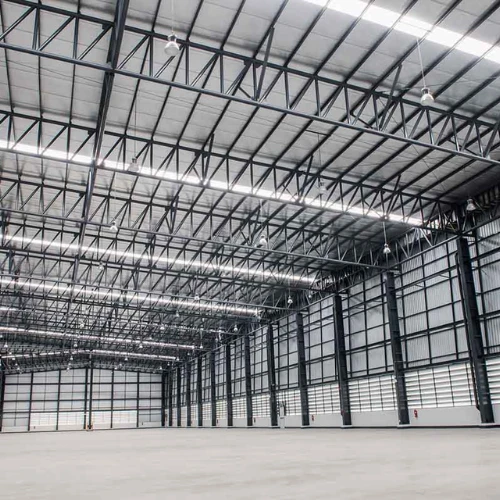
India’s climate does not go easy on industrial structures. From the dry heat of Gujarat to the humid conditions of coastal regions, large-span buildings constantly face extreme temperature exposure. For warehouse developers, architects, and PEB companies, Roof Thermal Insulation is no longer optional. It is a structural necessity.
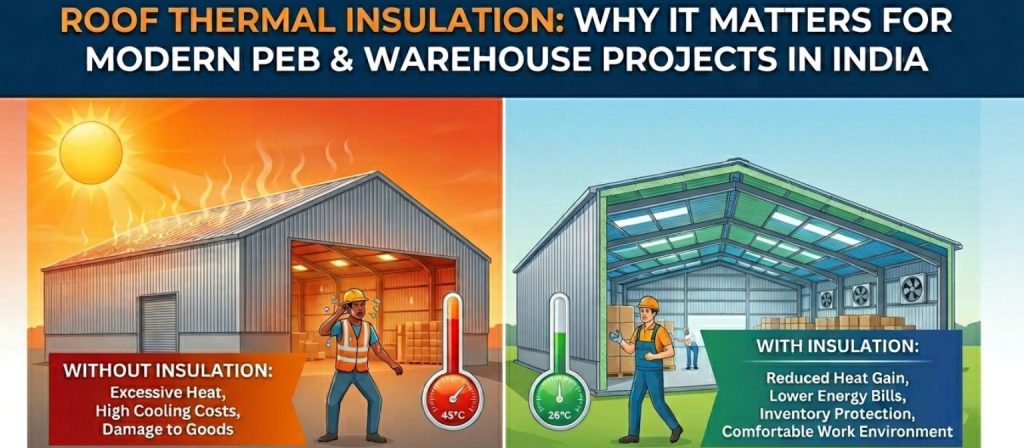
In a typical pre-engineered building, the roof carries maximum exposure to solar radiation. Without proper roof thermal insulation, internal temperatures can rise significantly, affecting worker productivity, stored goods, and machinery performance. A well-insulated roofing system improves not only comfort but also the long-term efficiency of the entire building.
Why Roof Heat Is a Serious Concern in Steel Buildings
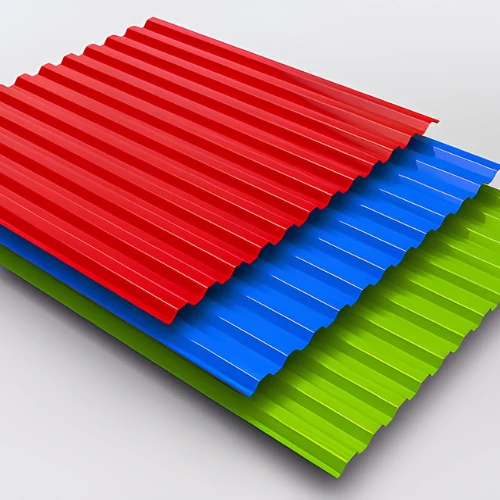
In most factory sheds or warehouse sheds, Metal Roofing Sheets are widely used because of their strength and durability. However, metal surfaces absorb heat quickly. Without Roof Insulation, the heat transfers directly inside.
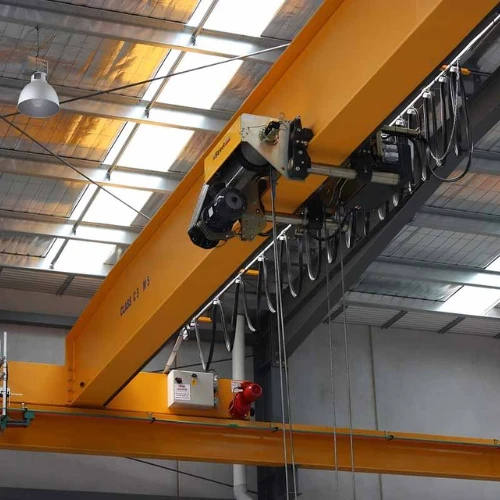
For facilities operating heavy equipment such as an Industrial Crane or overhead crane systems, internal heat builds up faster. This impacts:
- Indoor working conditions
- Energy consumption
- Equipment lifespan
- Structural performance
Modern PEBsare designed with load efficiency in mind, but thermal performance must be planned alongside structural load-bearing calculations. Ignoring roof thermal insulation often results in higher operational costs over time.
The Role of Insulated Roofing in PEB Structures
Today’s leading Pre Engineered Steel Building Manufacturers recommend Roof Thermal Insulation as part of integrated design planning. Instead of treating insulation as an add-on, it is incorporated into the roofing layer itself.
A PEB must contain:
- High-quality Metal Roofing Sheets
- Performance-tested Insulation Sheets
- Properly aligned Roofing Purlins
- Durable Cladding Sheet support
- Efficient Roof Gutters and Drainage Systems
When installed correctly, it reduces heat transfer significantly, stabilising indoor temperatures across large warehouse sheds.
Energy Efficiency and Long-Term Savings
One of the major reasons developers evaluate insulation is its impact on PEB Building Cost. While Roof Thermal Insulation slightly increases initial material investment, it reduces long-term operational expenses.
Lower heat gain means:
- Reduced cooling loads
- Lower electricity bills
- Improved HVAC performance
- Better employee productivity
For logistics hubs, manufacturing plants, and industrial units, this becomes a measurable financial advantage. In large engineered building projects, the return on investment (ROI) from proper insulation is clearly visible within a few years.
Integration with Complete Prefab Roof Solutions
Modern Prefab Roof Solution systems are designed for faster installation and better performance consistency. Many Roof Panels Manufacturer/ Roof Sheets Manufacturer companies now offer integrated systems combining roofing sheets, insulation layers, and drainage alignment.
A complete roofing setup also considers:
- Rain Gutters and Downspouts
- Storm Gutters
- Aluminium Rain Gutter systems
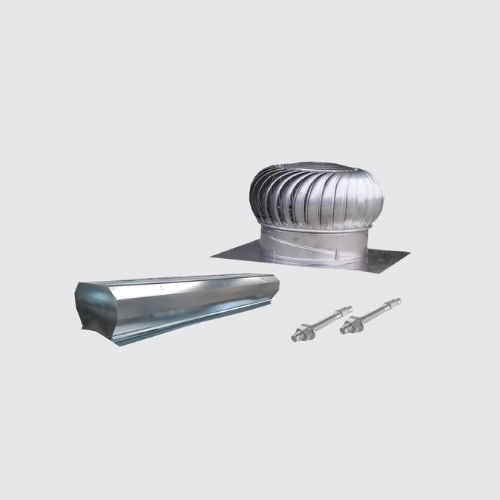
- Ventilation through Turbo Ventilators
Thermal control works best when paired with proper water management. Efficient Roofing and Gutters planning prevents moisture damage that can reduce insulation effectiveness.
Insulation and Structural Stability
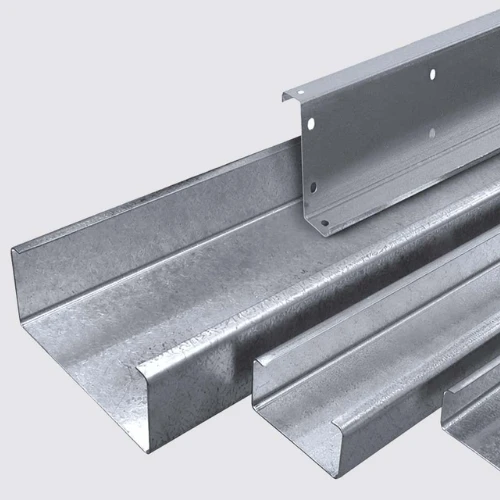
Heat expansion directly impacts Zed Purlins, sheet fasteners, and roof joints. Over time, excessive heat cycles can affect alignment and durability. By integrating Roof Thermal Insulation, PEB companies protect not only internal temperature but also structural integrity.
Across India, from metro industrial corridors to emerging manufacturing zones, developers are prioritising thermally optimized Steel Building solutions rather than basic roofing systems.
Even among Peb manufacturers in Ahmedabad and other regional industrial hubs, Roof Thermal Insulation systems are increasingly standard in warehouse projects serving pan-India operations.
Choosing the Right Insulation Approach
Selecting insulation depends on:
- Geographic climate conditions
- Type of industrial activity
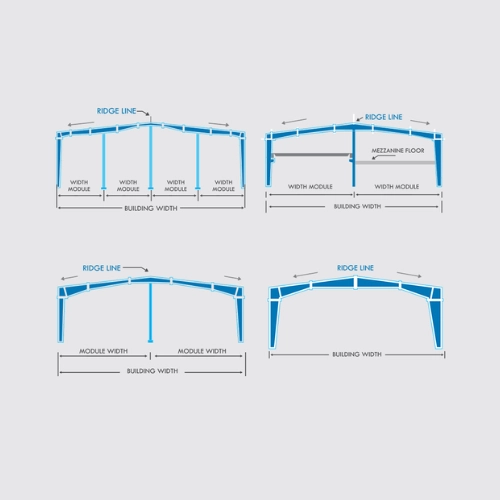
- Roof span and height
- Ventilation planning
- Compatibility with PEB Wall Panels
For projects that use Polycarbonate Roofing Sheets for natural daylight, insulation planning must ensure balanced heat control. Similarly, combining roof insulation with wall insulation improves overall energy efficiency.
Conclusion
For warehouse developers, architects, and PEB companies operating across India, Roof Thermal Insulation is a performance-driven decision. It enhances energy efficiency, protects structural components, improves indoor working conditions, and supports long-term cost optimisation.
In modern engineered building projects, roofing must do more than provide coverage. It must regulate heat, support structural stability, and align with integrated systems such as drainage, ventilation, and steel framework design.
FAQs
1. How do I choose the right roof insulation for a steel building?
Select insulation based on roof span, climate, and internal heat load. Materials like insulated roofing sheets or high-performance insulation sheets paired with quality metal roofing sheets offer the best thermal efficiency and structural compatibility.
2. Which insulation materials work best in Indian climates?
For pan-India conditions, insulated roofing sheets, polyurethane panels, and roof insulation sheets with high R-value are ideal. They perform well in hot-dry, humid, and composite climate zones, maintaining indoor temperature efficiently.
3. Can proper roof insulation reduce energy costs in warehouses?
Yes. Roof Thermal insulation minimises heat transfer from roofing sheets, reducing reliance on cooling systems. This translates into lower electricity bills, improved HVAC performance, and better energy ROI.
4. How does roof insulation affect structural performance and durability?
When installed correctly with compatible Z Purlins, cladding sheets, and steel frames, Roof Thermal Insulation protects against thermal stress, prevents material fatigue, and extends the lifespan of pre-engineered buildings.
5. Can insulation be added to existing PEB or steel buildings?
Yes, retrofit insulation solutions are available. However, planning insulation during the initial design phase ensures better performance, easier installation, and long-term cost savings.