
Introduction
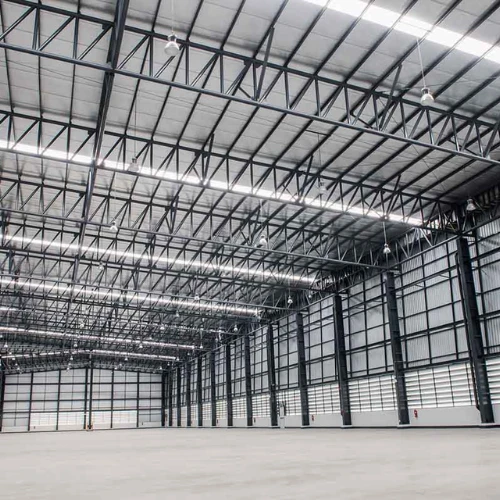
When planning a new factory or warehouse, the specification of your industrial roofing sheets directly dictates your long-term operational costs and safety compliance. While the market offers various Insulated Roofing Sheets, the critical performance differentiator is not the metal skin, but the insulation core.
For most industrial projects, the choice narrows down to two contenders: Polyurethane Foam (PUF) and Rockwool (Mineral Wool). While both provide insulation, their behaviour under thermal stress and fire exposure is vastly different. A mismatch in selection can result in inefficient cooling loads or, more critically, failure to meet statutory fire safety regulations.
At Choice Prefab LLP, we manufacture and install high-performance roofing solutions daily. We prioritise technical clarity over sales pitches. In this guide, we analyse the structural and functional differences between PUF and Rockwool to help you secure the right investment for your infrastructure.
What Are Insulated Roofing Sheets?
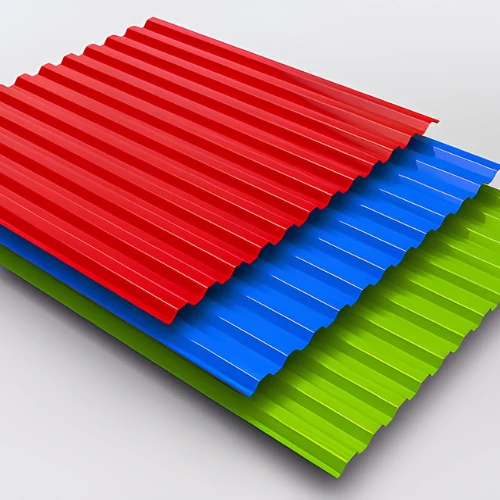
To understand the comparison, we must first look at the composition. Insulated Roofing Sheets function as a composite structure, often described as a “sandwich panel.” They consist of two metal facings (typically steel or aluminium) profiled around a structural insulation core.
This core is the primary barrier against the elements. Standard single-skin metal roofs absorb and radiate heat rapidly in the Indian summer, transferring that thermal load directly into your workspace. Roof insulation sheets mitigate this, significantly reducing heat gain in summer and heat loss in winter. The efficiency of this thermal break depends entirely on the core material selected.
The Contender: PUF (Polyurethane Foam) Panels
PUF panels are the industry standard in the B2B sector for facilities requiring maximum thermal efficiency. The core consists of a rigid foam formed by a chemical reaction between the metal facings, creating a solid, uniform bond.
Why choose PUF?
- Superior Thermal Insulation: PUF offers one of the lowest thermal conductivity (k-value) ratings in construction materials. This translates to exceptional temperature retention, directly lowering HVAC and refrigeration costs.
- High Strength-to-Weight Ratio: These panels are significantly lighter than Rockwool, reducing the dead load on your building’s structural steel frame.
- Moisture Impermeability: The closed-cell structure of PUF resists water absorption, preventing internal degradation, mould, or fungal growth.
Best Use Cases: If your facility prioritises precise temperature control, such as cold storage units, food processing plants, or pharmaceutical warehouses, PUF-cored industrial roofing sheets are the superior technical choice.
The Contender: Rockwool (Mineral Wool) Panels
Rockwool panels utilise a core of high-density fibres spun from molten rock and minerals. While they provide effective insulation, their primary engineering value lies in fire safety and acoustic damping.
Why choose Rockwool?
- Non-Combustible Fire Rating: Rockwool does not fuel fire. It prevents flame spread and does not emit toxic smoke. For industrial zones requiring an A-class fire rating or higher insurance compliance, Rockwool is often mandatory.
- Acoustic Insulation: The open-fibre structure of Rockwool excels at trapping sound waves. It is highly effective at reducing noise pollution from internal heavy machinery or external heavy rain.
- Chemical Inertness: The material is chemically stable and does not react with the metal facings, ensuring structural longevity even in harsh environments.
Best Use Cases: Rockwool is the necessary core for industrial roofing sheets in high-risk environments. This includes foundries, welding workshops, chemical plants, and power stations where fire mitigation is paramount.
Comparison: PUF vs. Rockwool
For a direct evaluation, here is how these Insulated Roofing Sheets compare on critical performance metrics:
| Feature | PUF Panels | Rockwool Panels |
| Primary Benefit | Maximum Thermal Efficiency (ROI on Energy) | Fire Safety Compliance & Acoustics |
| Fire Rating | Fire Retardant (Self-Extinguishing, B2/B3) | Non-Combustible (A-Class Rating) |
| Water Resistance | High (Closed-cell structure) | Low (Hydrophilic if exposed) |
| Weight | Lightweight | Heavy |
| Ideal Application | Cold Storage, Warehouses, Logistics Parks | Factories, Chemical Plants, Foundries |
Which One Should You Choose?
The selection process should be driven by the specific operational function of your building.
- Select PUF for controlled environments where energy efficiency is the primary KPI. It remains the gold standard for cold chains and general warehousing.
- Select Rockwool for facilities handling flammable materials, requiring strict fire safety ratings, or necessitating noise reduction.
As established PEB manufacturers in Ahmedabad, we often engineer hybrid solutions for large industrial complexes, utilising Rockwool for high-risk manufacturing units and PUF for administrative or storage blocks to optimise costs and safety.
Why Partner with Choice Prefab LLP?
Sourcing the right Insulated Roofing Sheets is only the first step; precision manufacturing and installation are equally vital. At Choice Prefab LLP, we provide end-to-end industrial roofing solutions.
- Custom Engineering: We tailor the core thickness and density to align with your specific thermal and structural requirements.
- Quality Assurance: Whether specifying PUF or Rockwool, our panels are manufactured to strict tolerances to ensure durability and leak-proof performance.
- Turnkey Capability: Being one of the leading Peb manufacturers in Ahmedabad, we integrate roofing systems seamlessly with your pre-engineered building structure, ensuring load calculations are accurate and safety is uncompromised.
Frequently Asked Questions (FAQs)
1. Can I use PUF panels for a factory with high fire risk?
It is not recommended. While modern PUF panels are fire-retardant (self-extinguishing), they are not non-combustible. For high-risk areas like chemical plants, Rockwool industrial roofing sheets are the only compliant and safe choice.
2. Which roofing sheet has a longer lifespan?
Both materials offer excellent longevity when correctly maintained. PUF is generally more resilient against moisture ingress, while Rockwool is superior in high-heat environments. With proper installation by experts, both systems can exceed 20 years of service.
3. Do insulated roofing sheets reduce rain noise?
Yes, both cores significantly dampen the impact noise of rain compared to single-skin metal sheets. However, Rockwool offers superior acoustic performance and is noticeably quieter during heavy downpours.
4. Is there a significant price difference?
Rockwool panels are typically more expensive than PUF due to the raw material costs and higher density. However, this cost is often offset by insurance savings and necessary safety compliance. Contact Choice Prefab LLP for a current project estimate on Insulated Roofing Sheets.
Conclusion
Selecting the correct core for your industrial roofing sheets requires balancing thermal goals, fire safety regulations, and budget. Whether your project demands the energy efficiency of PUF or the robust protection of Rockwool, an informed decision today prevents operational liabilities tomorrow.
At Choice Prefab LLP, we are committed to building industrial infrastructure that lasts. If you are looking for high-quality roof insulation sheets or complete PEB solutions, our team is ready to assist.
Ready to upgrade your industrial infrastructure? Get a Technical Consultation from Choice Prefab LLP today and ensure your roofing solution is built for performance.