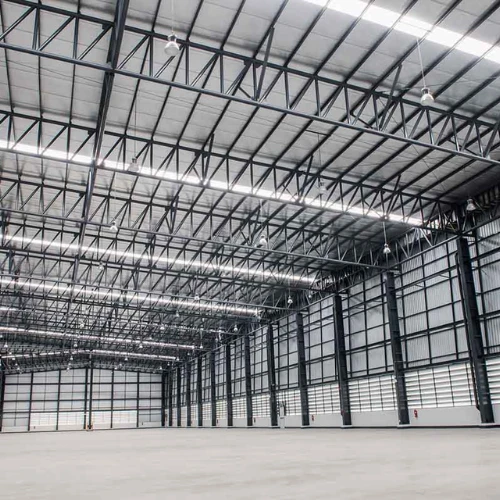
Choosing the right partner for an industrial building project is about more than comparing quotations. A Pre-Engineered Building (PEB) involves structural engineering, material selection, fabrication, transportation, erection, and coordination between multiple project stages. The partner you select can directly influence construction quality, project timelines, long-term performance, and overall value.
For this reason, businesses should evaluate Pre-Engineered Building Suppliers based on their technical capabilities, manufacturing infrastructure, quality systems, project experience, and ability to manage execution from design through installation.
A reliable PEB partner should understand your operational requirements rather than simply supplying steel components. Before signing a contract, here are the key factors you should evaluate.
Why Choosing the Right PEB Partner Matters
A PEB is not a standard off-the-shelf product. Every PEB project requires a design tailored to its specific dimensions, structural loads, site conditions, roofing and wall requirements, equipment needs, and potential for future expansion.
This means the quality of the final building depends heavily on the capabilities of the company designing and manufacturing it.
The right partner can help you:
- Develop an appropriate structural solution
- Select suitable materials and components
- Reduce unnecessary material usage
- Maintain consistent manufacturing quality
- Coordinate fabrication and site activities
- Manage transportation and erection
- Plan for future expansion
- Avoid expensive modifications during construction
The objective should therefore be to select a partner based on overall project value, not simply the lowest initial quotation.
What to Evaluate Before Appointing a PEB Partner
1. Check Their Design and Engineering Capability
Engineering is one of the most important stages of a PEB project. Before selecting a supplier, determine whether the company has an experienced in-house design and engineering team.
Ask whether they can evaluate:
- Building dimensions and clear span requirements
- Dead and live loads
- Wind loads
- Seismic considerations
- Crane loads
- Mezzanine requirements
- Roofing and wall systems
- Future expansion requirements
- Site-specific conditions
A technically capable team should be able to explain the reasoning behind its structural recommendations instead of simply providing a price.
This becomes particularly important for factories, warehouses and other industrial buildings where operational requirements can significantly affect the structural design.
2. Evaluate the Manufacturing Infrastructure
The manufacturing facility tells you a great deal about a PEB company’s ability to deliver projects consistently.
Look at factors such as:
- Factory size and production capacity
- Fabrication equipment
- Material handling systems
- Cutting, welding and forming capabilities
- Quality inspection processes
- Production planning
- Storage and dispatch systems
For example, Choice Pre-Fab LLP operates a 35,000 sq m manufacturing facility in Khatraj, Kalol, Gandhinagar, with ISO 9001:2015 certification. Its manufacturing capabilities include components such as columns, beams, purlins, sheets, and secondary structural elements.
Rather than looking at the presence of a manufacturing facility alone, assess whether the supplier has the production capacity, equipment, and infrastructure needed to meet your project’s specific scale and technical demands.
3. Look at the Quality of Materials and Components
A quotation can look attractive when important specifications are unclear. Before comparing prices, make sure you understand exactly what is included.
Discuss:
- Steel grade and specifications
- Structural member specifications
- Purlins and secondary framing
- Roofing sheets or panels
- Wall cladding
- Insulation
- Protective coatings
- Fasteners and accessories
- Gutters and flashing
Material quality can influence structural performance, corrosion resistance, maintenance requirements, and service life.
A good PEB partner should clearly explain the proposed specifications instead of leaving important details buried in the quotation.
4. Check Whether the Solution Can Be Customised
Your building should be designed around your operations, not the other way around.
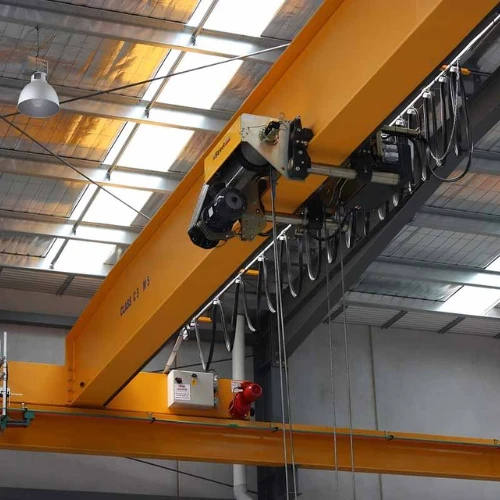
A warehouse may require different specifications from a manufacturing plant. Similarly, a factory with overhead cranes may have substantially different structural requirements from a simple storage building.
Ask whether the supplier can customise:
- Building dimensions
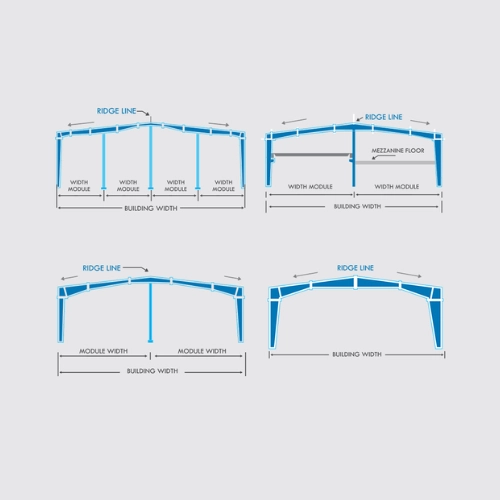
- Bay spacing
- Roof configuration
- Openings
- Crane systems
- Mezzanine floors
- Roofing and wall panels
- Insulation systems
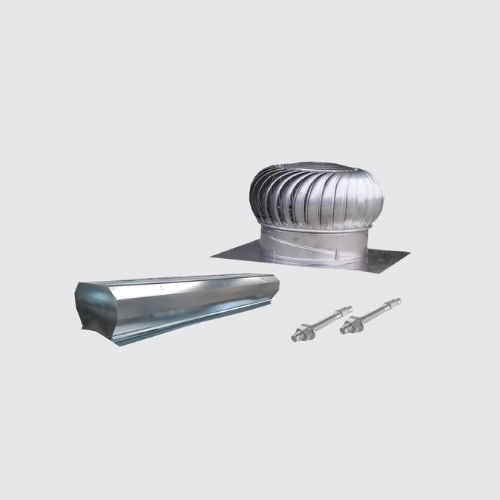
- Ventilation
- Doors and accessories
- Future expansion provisions
A capable PEB partner should be able to adapt the design to the intended use of the building.
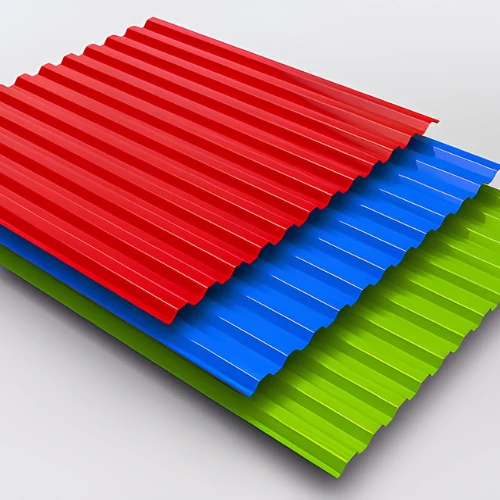
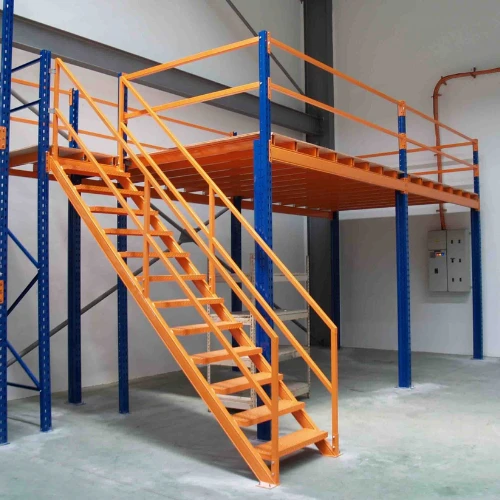
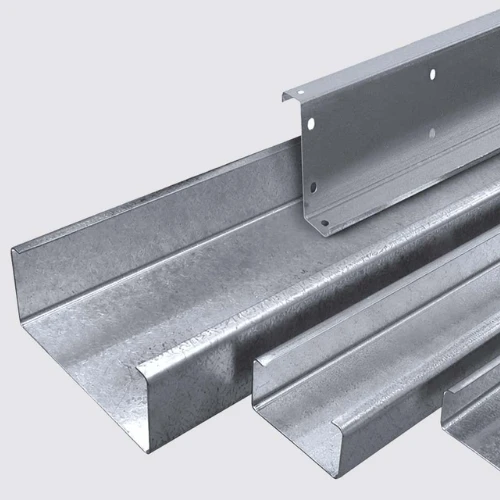
Choice Pre-Fab’s current product offering includes PEB structures along with roofing and wall panels, crane systems, mezzanine systems, Z/C purlins, trims and accessories, allowing several building components to be coordinated as part of an integrated solution.
5. Verify Quality Certifications and Quality Control
Certification alone does not guarantee a successful project, but it can indicate that a company has established quality management processes.
Ask the supplier:
- Which quality certifications do they hold?
- How are incoming materials inspected?
- How are fabricated components checked?
- What inspection procedures are followed?
- How are non-conforming components handled?
- Is documentation provided for relevant materials and processes?
You should also understand how quality is monitored from design through fabrication and installation.
For example, Choice Pre-Fab states that it follows Total Quality Management and uses the PDCA approach across its operations, covering stages from order processing and production scheduling through manufacturing, shipping, and assembly.
6. Examine Their Previous Industrial Projects
Past projects can provide stronger evidence of capability than a sales presentation.
Ask to see projects that are similar to yours in terms of:
- Building size
- Industry
- Structural complexity
- Crane requirements
- Mezzanine requirements
- Site conditions
- Roofing and insulation requirements
A supplier with experience across different industrial applications is more likely to understand the practical challenges involved in design, fabrication and erection.
Choice Pre-Fab’s published project portfolio includes industrial and commercial projects ranging from several thousand square metres to a 32,000 sq m project, as well as a 3,200 MT structure for a chemical process plant.
The objective is not to select a company simply because it has a long project list. Instead, look for relevant experience that matches your project’s complexity and requirements.
7. Understand Their Project Management Process
PEB projects involve several connected stages:
Design → Engineering → Procurement → Fabrication → Quality Control → Dispatch → Erection → Completion
A delay in one stage can affect everything that follows.
Before appointing a supplier, ask:
- Who will manage the project?
- Who will be your primary point of contact?
- How are design changes handled?
- How is production progress monitored?
- How are dispatches coordinated?
- How are site issues resolved?
- What happens if project requirements change?
A supplier with a structured project management process can make coordination significantly easier.
Choice Pre-Fab states that its project management team provides strategic oversight, risk management, and execution support across project stages.
8. Do Not Overlook Transportation and Erection
Manufacturing the structure is only part of the project.
Once components leave the factory, they need to reach the site safely and be assembled correctly.
Therefore, evaluate the supplier’s ability to manage:
- Component packaging
- Dispatch planning
- Transportation coordination
- Site delivery
- Erection sequencing
- Structural alignment
- Bolted connections
- Site safety
- Commissioning
The erection team should understand the drawings, assembly sequence, and safety requirements associated with the structure.
Choice Pre-Fab lists erection and commissioning as part of its PEB services, highlighting the importance of coordinated site execution rather than treating manufacturing and installation as completely separate activities.
9. Compare the Complete Quotation, Not Just the Final Price
One of the most common mistakes buyers make is comparing only the final price.
Two suppliers can quote different prices because their specifications, inclusions and service scope are different.
When comparing quotations, check whether each proposal includes:
| Evaluation Area | What to Check |
| Structural steel | Grade, quantity and specifications |
| Roofing | Sheet/panel type and thickness |
| Wall system | Cladding and insulation specifications |
| Purlins | Type, size and coating |
| Accessories | Flashing, gutters, fasteners and related items |
| Crane system | Capacity and integration, if required |
| Mezzanine | Design and load requirements |
| Transportation | Included or excluded |
| Erection | Scope and manpower |
| Quality | Inspection and certification |
| Warranty | Coverage and conditions |
| Project management | Coordination and supervision |
A lower quotation may not actually be cheaper if essential components or services have been excluded.
Your goal should be to compare equivalent technical specifications and complete project scope.
10. Ask About Future Expansion
Industrial businesses rarely remain static.
Your warehouse may need additional storage. Your factory may add production lines. A distribution facility may eventually require more floor space.
Discuss future expansion during the initial design stage.
Depending on the project, this may influence:
- Structural configuration
- Column positioning
- Bay planning
- Building length
- Crane provisions
- Mezzanine planning
- Utility requirements
- Future extensions
Planning for expansion at the beginning can be more practical than modifying the structure after operations have started.
Questions to Ask Before Signing a PEB Contract
Before finalising your supplier, ask these questions:
- What structural design and engineering services are included?
- What steel grades and material specifications will be used?
- Which components are manufactured in-house?
- What quality certifications and inspection procedures are followed?
- Have you completed projects similar to ours?
- Is transportation included in the quoted price?
- Does the scope include erection and commissioning?
- Who will manage the project?
- What is the expected manufacturing and delivery schedule?
- What warranty and post-project support are provided?
- Can the structure accommodate future expansion?
- What items are specifically excluded from the quotation?
The answers can help you distinguish between a supplier that simply provides materials and a partner capable of supporting the complete project.
How to Compare Pre-Engineered Building Suppliers Beyond Price
Price is important, but it should be only one part of the decision.
A better evaluation framework is:
Technical Capability + Manufacturing Quality + Project Experience + Execution + Support + Commercial Value
For example, a supplier with strong engineering capabilities may help reduce unnecessary structural weight. Better manufacturing controls can reduce fabrication errors. Proper project coordination can minimise delays. Experienced erection teams can reduce site-level problems.
This is why the cheapest quotation should not automatically be considered the most cost-effective option.
Your objective should be to identify the supplier that provides the right balance between quality, performance, timeline, technical suitability, and long-term value.
Why an Integrated PEB Partner Can Improve Project Execution
An integrated PEB partner can coordinate several connected elements under one project structure.
This can include:
- Structural engineering
- Primary steel frames
- Z/C purlins
- Roofing and wall panels
- Crane systems
- Mezzanine systems
- Trims and flashing
- Accessories
- Transportation
- Erection and commissioning
When these elements are properly coordinated, it can reduce communication gaps between different vendors and make responsibility clearer.
Choice Pre-Fab manufactures several PEB components in-house, including roofing and wall panels, crane systems, mezzanine systems, Z/C purlins, trims and accessories.
For an industrial project, this integrated approach can be particularly useful when multiple structural and functional requirements need to work together.
Why Choice Pre-Fab Can Be Considered for Your PEB Project
Choice Pre-Fab LLP has been operating in the PEB sector since 2017 and states that it has successfully completed more than 250 PEB buildings. The company is ISO 9001:2015 certified and operates its manufacturing facility in Khatraj, Kalol, Gandhinagar.
Its capabilities cover design and engineering, manufacturing, project management, and erection, while its product portfolio includes PEB structures, roofing and wall panels, crane systems, mezzanine systems, Z/C purlins, trims, and accessories.
For businesses evaluating pre-engineered building suppliers, these are the types of capabilities worth examining before making a final decision.
Conclusion
Selecting a PEB partner is an important decision that can influence the structural quality, project schedule, budget, and long-term usability of your industrial building.
Instead of choosing a supplier based solely on price, evaluate its engineering expertise, manufacturing infrastructure, material quality, customisation capability, certifications, project experience, project management, logistics, and erection support.
A reliable PEB partner should be able to understand your requirements, provide an appropriate engineering solution, and support the project from initial design through completion.
If you are planning a warehouse, factory, industrial shed, or other steel structure, take the time to compare suppliers using a clear technical and commercial checklist. The right partner can help turn your building requirements into a practical, durable, and efficient PEB solution.
Frequently Asked Questions
What should I check before choosing a PEB supplier?
Check the supplier’s engineering capabilities, manufacturing infrastructure, material specifications, quality certifications, previous projects, project management process, delivery capabilities, erection support, and warranty terms.
Is the lowest PEB quotation always the best option?
No. A lower quotation may have different material specifications or exclude important services. Compare the complete technical scope, quality, erection, transportation, warranty, and project support before making a decision.
Why is in-house manufacturing important for a PEB project?
In-house manufacturing can provide greater control over fabrication, quality, and coordination. It can also simplify communication between engineering and production teams.
Should I consider future expansion when designing a PEB?
Yes. If your business is likely to expand, discussing future requirements during the initial design stage can help create a structure that is better suited to future modifications or extensions.
What services should a PEB partner provide?
Depending on the project, a PEB partner may provide design and engineering, fabrication, roofing and wall systems, accessories, transportation, erection and commissioning, along with project management support.
How can I compare different Pre-Engineered Building Suppliers?
Compare them using the same technical specifications and scope. Evaluate engineering expertise, material quality, manufacturing capacity, project experience, quality systems, delivery, erection, warranty, and overall project value rather than comparing only the quoted price.