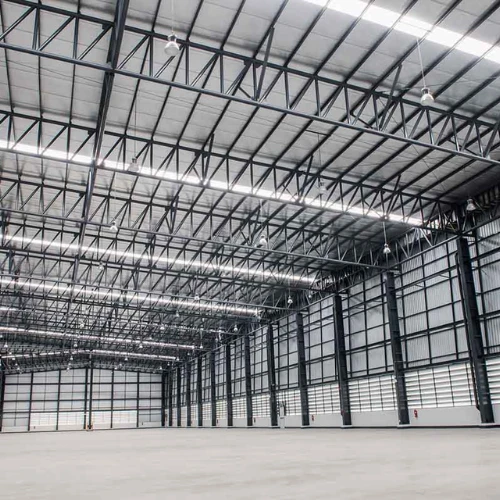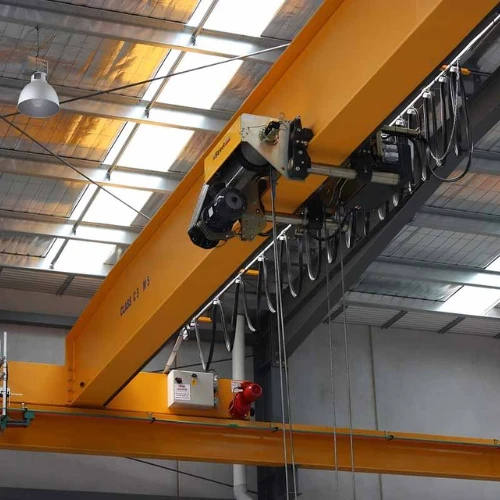
Industrial growth in Ahmedabad has increased the demand for safer and more efficient material handling systems across factories, warehouses, and manufacturing plants. Many modern facilities now use crane-compatible PEB structures for smooth industrial operations and heavy load handling. Businesses investing in industrial sheds and PEB building solutions must also prioritize proper crane safety measures to ensure long-term operational reliability.
Working with an experienced crane manufacturing company in Ahmedabad also helps industries ensure proper crane selection, safety compliance, and structural compatibility.
Today, EOT cranes, overhead cranes, and gantry cranes play a critical role in industrial operations. However, improper load handling, poor maintenance, and lack of inspections can lead to serious workplace accidents, operational downtime, and equipment damage.
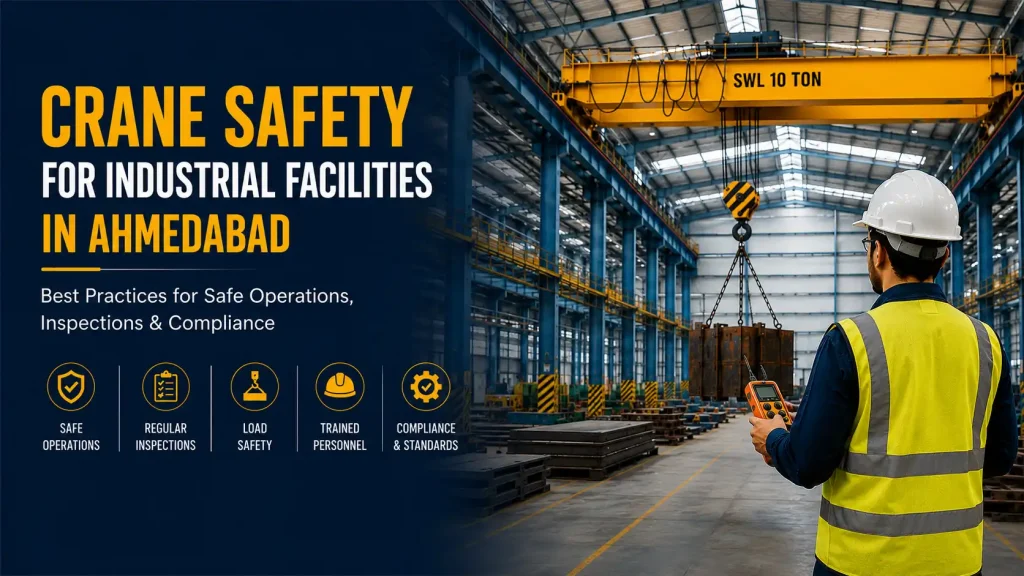
For industries in Ahmedabad, industrial lifting safety is not just about compliance. It is essential for worker protection, operational efficiency, and safe industrial infrastructure. This guide walks you through the key practices behind safe crane operation, inspection procedures, and safety measures for overhead cranes in industrial facilities.
Why Crane Safety Matters in Industrial Facilities
Modern factories and warehouses depend heavily on cranes for:
- Material handling
- Machinery movement
- Steel structure installation
- Heavy equipment loading
- Warehouse operations
- Production line support
A single crane failure can disrupt an entire industrial workflow.
Common Risks Associated with Unsafe Crane Operations
Operational Risks
- Load swinging
- Overloading
- Improper rigging
- Sudden mechanical failure
Structural Risks
- Weak crane-support structures
- Improper runway beam installation in crane-compatible PEB structures
- Roof or shed instability
- Poor industrial shed design
Human Risks
- Untrained crane operators
- Unsafe lifting operation practices
- Lack of communication
- Neglecting crane inspection checklists
In industrial areas of Ahmedabad where heavy engineering, fabrication, pharmaceuticals, textiles, and logistics industries operate continuously, the safety of crane operations becomes even more critical.
Understanding Different Types of Industrial Cranes
Industrial facilities use multiple crane systems depending on operational requirements, load capacity, and the type of industrial operations involved.
Selecting the right crane manufacturer is equally important for ensuring long-term operational safety, structural reliability, and efficient material handling performance.
| Crane Type | Common Usage | Safety Focus |
| EOT Cranes | Manufacturing plants | Load balancing and electrical safety |
| Overhead Cranes | Warehouses and factories | Structural integrity and load path safety |
| Gantry Cranes | Outdoor industrial yards | Ground stability and wind safety |
| Jib Cranes | Workstations | Rotation clearance |
| Monorail Cranes | Production lines | Rail inspection |
Safety of industrial crane systems depends on selecting the right crane system and ensuring the building structure supports operational loads safely.
Crane Safety Standards Industries Must Follow
Industrial facilities should comply with recognised crane safety standards and operational guidelines.
Key Safety Standards for Industrial Crane Systems
Indian Standards
- IS 3177 – Code of Practice for Electric Overhead Travelling Cranes
- IS 807 – Design and Erection of Cranes
- Factory Act Safety Regulations
International Standards
- OSHA Safety Standards for Crane Use
- ISO Safety Standards
- CMAA Crane Specifications
Following these standards improves:
- Workplace safety
- Structural reliability
- Equipment lifespan
- Operational efficiency
For industrial buildings in Ahmedabad, compliance also helps businesses during audits, insurance approvals, and client inspections.
Most Common Crane Safety Hazards in Factories
Understanding crane hazards is the first step toward accident prevention.
1. Overloading
Exceeding crane load capacity is one of the biggest causes of crane failure.
Risks:
- Structural collapse
- Wire rope damage
- Beam deformation
- Motor burnout
Prevention:
- Clearly marked load capacities
- Operator training
- Load monitoring systems
2. Improper Rigging
Incorrect sling angles or damaged lifting accessories can destabilise loads.
Best Practices:
- Use certified rigging tools
- Inspect hooks and slings regularly
- Avoid twisted chains
3. Poor Crane Inspection Procedures
Many industrial accidents occur because inspections are skipped.
Why Regular Crane Inspection is Important
Routine inspections help identify:
- Brake wear
- Electrical faults
- Misaligned rails
- Structural cracks
- Corrosion damage
Ignoring these issues can lead to sudden operational failures.
4. Unsafe Overhead Crane Operation
Overhead crane safety for factories in Ahmedabad becomes critical in congested production environments.
Common Mistakes:
- Moving loads above workers
- Sudden lifting movements
- Lack of signaling systems
- Improper operator visibility
5. Weak Industrial Structures
Even a well-maintained crane can become unsafe if the industrial building itself lacks proper engineering support.
Industrial sheds and warehouses must be designed to withstand:
- Dynamic crane loads
- Vibrations
- Horizontal forces
- Repetitive movement stress
This is why crane-compatible industrial structures are essential for long-term safety.
Crane Inspection Checklist for Industrial Facilities
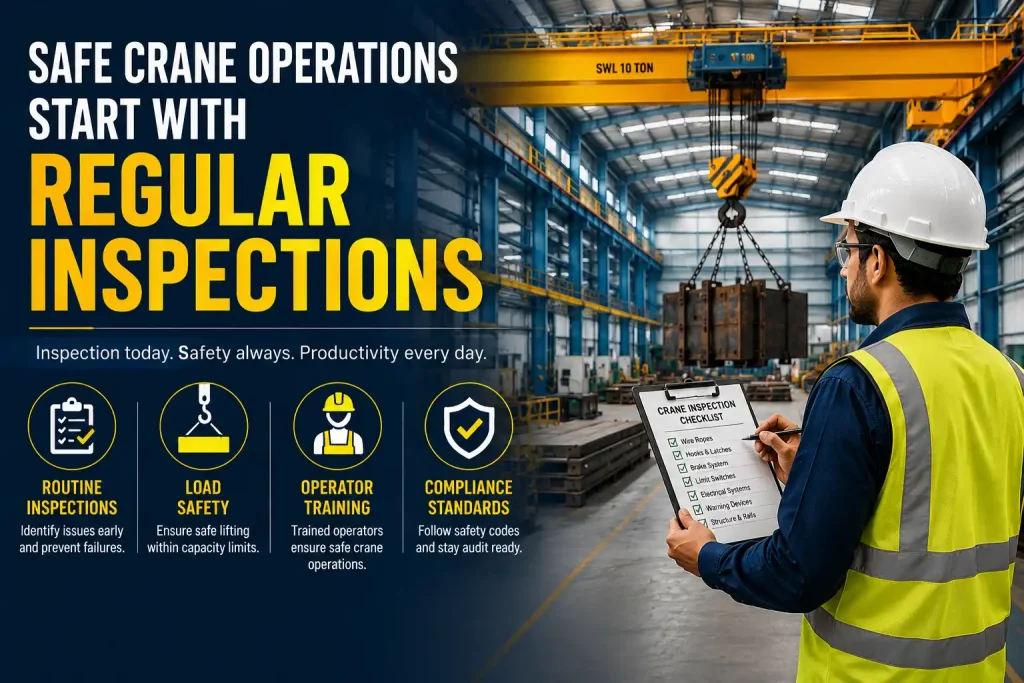
Regular inspections are especially important for EOT crane safety for industrial sheds where continuous heavy lifting operations take place.
Daily Crane Inspection Checklist
Operators should inspect:
- Wire ropes
- Hooks
- Brake systems
- Pendant controls
- Warning alarms
- Limit switches
- Load chains
Monthly Inspection Procedures
Maintenance teams should evaluate:
- Structural beams
- Crane rails
- Gearbox condition
- Electrical panels
- Motor performance
- Corrosion levels
Annual Professional Inspection
A detailed inspection should include:
- Load testing
- Structural analysis
- Alignment verification
- Welding inspection
- Safety device calibration
Industries using EOT crane safety systems for industrial sheds should never ignore annual audits.
Best Safety Practices for Overhead Cranes
Industrial facilities can substantially reduce accidents by following proven safety practices.
Train Operators Properly
Crane operators should understand:
- Load calculations
- Emergency controls
- Safe lifting techniques
- Signal communication
- Crane operating limits
Training improves crane operation safety and reduces human error.
Use Proper Signage
Factories should clearly display:
- Load limits
- Safety zones
- Restricted areas
- Emergency procedures
Maintain Clear Load Paths
Never allow:
- Workers below suspended loads
- Obstructed lifting areas
- Material congestion near crane paths
Install Safety Systems
Modern crane safety systems for factories may include:
- Anti-collision systems
- Load monitoring devices
- Emergency shutoffs
- Smart warning alarms
- Motion limiters
These technologies improve operational safety and industrial efficiency.
Schedule Preventive Maintenance
Preventive maintenance is more cost-effective than emergency repairs or unexpected downtime.
Facilities should maintain:
- Service records
- Inspection logs
- Repair histories
- Compliance documentation
How Crane Safety Reduces Workplace Accidents
Industries prioritizing safe lifting practices experience measurable operational improvements.
Benefits of Proper Crane Safety
Reduced Injuries
Safer lifting operations reduce workplace incidents.
Lower Downtime
Preventive inspections minimise equipment failures.
Improved Productivity
Smooth material handling improves workflow efficiency.
Better Compliance
Facilities meet industrial safety standards more easily.
Longer Equipment Life
Proper maintenance extends crane lifespan.
Many Ahmedabad-based manufacturing facilities are increasingly investing in industrial crane safety solutions to improve operational continuity and workforce protection.
Role of Industrial Infrastructure in Safe Crane Operations
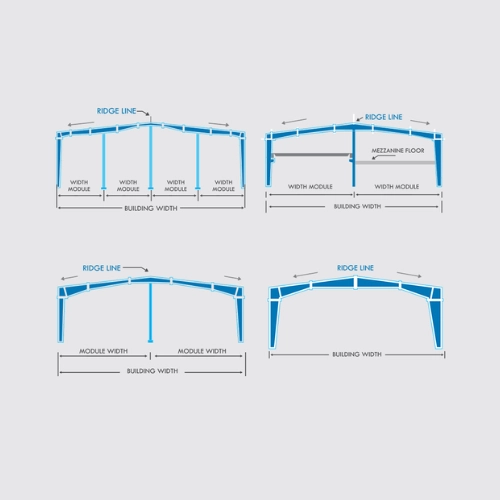
Safe crane operations depend heavily on the engineering quality of industrial buildings, especially crane-compatible PEB structures used in factories and warehouses.
Industrial facilities often work with crane manufacturers and PEB infrastructure companies together to ensure proper integration of crane systems within factory and warehouse structures.
Importance of Crane-Compatible Industrial Structures
Industrial buildings supporting crane systems should include:
- Reinforced structural columns
- Proper runway beam design
- Load-bearing roof systems
- Vibration-resistant frameworks
- Adequate height clearance
Poorly designed industrial sheds can create long-term safety issues.
This is why businesses planning new factories or warehouse facilities should work with experienced industrial infrastructure companies that understand crane-compatible structural design.
Overhead Crane Safety for Warehouses in Ahmedabad
Warehouse operations often involve continuous material movement. Many warehouses also depend on reliable EOT crane manufacturers for smooth and safe material handling operations.
Key Warehouse Crane Safety Concerns
Narrow Operating Areas
Limited maneuvering space increases collision risks.
High Operational Frequency
Repeated lifting cycles accelerate wear and tear.
Storage Congestion
Improper layouts create unsafe load paths.
Structural Stress
Heavy lifting operations affect warehouse framework integrity.
Warehouse owners should conduct regular structural evaluations to ensure long-term operational safety.
Gantry Crane Safety in Industrial Yards
Gantry cranes are widely used in:
- Steel yards
- Construction sites
- Outdoor storage areas
- Heavy fabrication facilities
Important Safety Measures for Gantry Crane Operations
- Check ground stability
- Monitor wind conditions
- Inspect rail alignment
- Ensure outdoor electrical safety
- Maintain visibility during operations
Ahmedabad’s seasonal weather conditions, especially heavy monsoon winds, increase the importance of safe gantry crane operations in outdoor industrial environments.
Future Trends in Industrial Crane Safety
Modern industries are adopting smarter safety technologies.
Modern Trends in Industrial Lifting Safety
IoT-Based Monitoring
Real-time crane performance tracking
Predictive Maintenance
AI-based fault detection before failures occur
Smart Load Sensors
Improved load lifting safety
Digital Inspection Systems
Automated maintenance records and compliance monitoring
Remote Crane Operation
Reduced operator exposure to hazardous zones
As Ahmedabad continues growing as a manufacturing and industrial hub, adoption of advanced industrial lifting safety systems is expected to rise steadily.
How Industries Ensure Crane Safety Compliance
Industrial businesses should create a structured industrial lifting safety strategy.
Recommended Safety Framework
Step 1: Risk Assessment
Identify operational hazards.
Step 2: Structural Evaluation
Ensure industrial buildings support crane operations safely.
Step 3: Operator Training
Certify crane operators regularly.
Step 4: Scheduled Inspections
Follow strict crane inspection procedures.
Step 5: Documentation
Maintain compliance records and maintenance logs.
Step 6: Safety Audits
Conduct periodic third-party safety assessments.
Facilities that follow these steps experience safer operations and stronger long-term industrial performance.
Choosing the Right Industrial Infrastructure Partner
When developing factories, industrial sheds, or warehouses with crane systems, businesses should evaluate infrastructure providers carefully.
Important Factors to Consider
- Experience with crane-compatible buildings
- Understanding of industrial load requirements
- Structural engineering expertise
- Compliance knowledge
- Long-term durability focus
Industrial infrastructure should support both operational efficiency and workplace safety.
Conclusion
Crane safety is essential for safe and efficient industrial operations across Ahmedabad’s manufacturing and warehousing sectors. Whether using EOT cranes, overhead cranes, or gantry cranes, businesses must prioritize safety, inspections, and structural reliability.
Proper crane operation safety practices, trained operators, and crane-compatible industrial structures help reduce risks, improve productivity, and support long-term operational performance.
For industries planning modern manufacturing plants, industrial sheds, or warehouse facilities, investing in safe and structurally reliable infrastructure is equally important as selecting the right crane systems.
Modern PEB structures improve safety, durability, and operational efficiency for industrial facilities.
At Choice Pre-Fab LLP, we manufacture industrial crane systems and deliver crane-compatible PEB structures engineered for safe material handling, operational efficiency, durability, and long-term industrial performance across factories and warehouses in Ahmedabad.
Frequently Asked Questions (FAQs)
1. Which industries in Ahmedabad require advanced crane safety systems?
Industries such as manufacturing, engineering, pharmaceuticals, logistics, warehousing, steel fabrication, and automotive plants in Ahmedabad commonly require advanced crane safety systems for safe material handling operations.
2. What are the warning signs that an industrial crane needs maintenance?
Common warning signs include unusual noises, jerky crane movement, brake failure, wire rope wear, overheating motors, oil leakage, and inconsistent load lifting performance.
3. What is the ideal ceiling height for overhead crane installation in factories?
The ideal height depends on crane capacity, lifting requirements, and operational clearance. Most industrial facilities maintain sufficient vertical clearance for safe hook travel and material movement.
4. How do weather conditions affect gantry crane safety in Gujarat?
Heavy monsoon winds, rain exposure, and dust accumulation can affect gantry crane stability, electrical systems, rail alignment, and outdoor lifting visibility in Gujarat’s industrial regions.
5. What role does preventive maintenance play in industrial crane safety?
Preventive maintenance helps identify mechanical wear and operational issues early, reducing unexpected breakdowns, production downtime, and costly emergency repairs.
6. Are smart crane monitoring systems useful for modern factories?
Yes. Smart crane systems provide real-time monitoring, overload alerts, predictive maintenance insights, and operational data that improve industrial safety and efficiency.