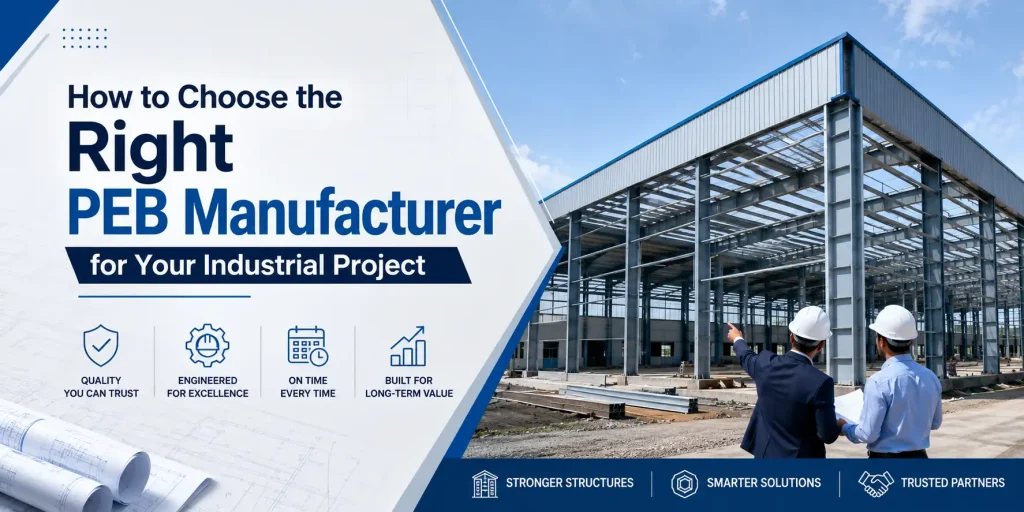
Industrial construction projects demand careful planning, precise engineering, and dependable execution. Choosing the right PEB Manufacturer is therefore one of the most important decisions an investor, project manager, or procurement team can make. Whether you are constructing a manufacturing plant, warehouse, logistics centre, commercial facility, or industrial processing unit, the manufacturer you select influences structural safety, project timelines, operational efficiency, future expansion, and the overall lifecycle of the building.
A modern PEB Manufacturer contributes far more than steel fabrication. From structural engineering and design optimisation to manufacturing quality, logistics planning, and installation support, every stage plays a role in delivering a building that performs reliably for decades. This guide explains the key factors industrial buyers should evaluate before selecting a manufacturing partner and highlights recognised engineering practices that contribute to long-term project success.
Why Choosing the Right PEB Manufacturer Matters
Many buyers initially compare quotations based on price alone. However, the true value of a PEB Manufacturer lies in its ability to design, manufacture, and deliver a complete engineered building system that meets the project’s functional, structural, and commercial objectives.
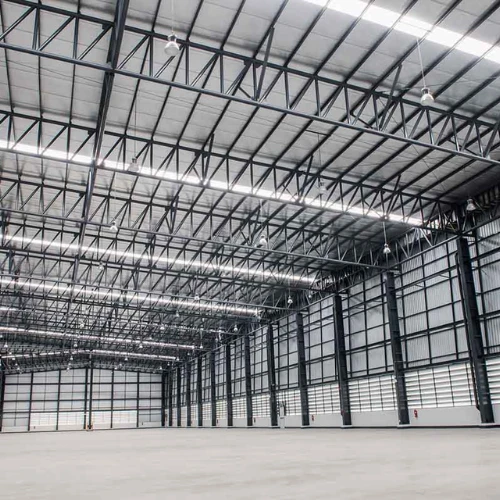
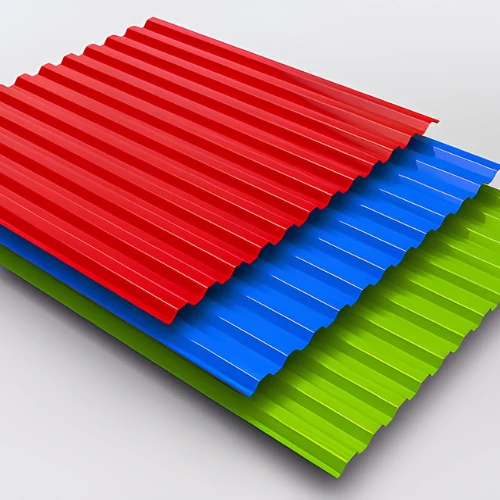
Unlike conventional steel fabrication, Pre-Engineered Buildings are developed as integrated structural systems. Every primary frame, secondary member, roofing purlin, wall girt, bracing system, roofing panel, and connection detail is designed to work together under anticipated loading conditions. This coordinated approach enables efficient construction while maintaining structural performance.
An experienced PEB Manufacturer in India generally provides:
- Structural design and detailing
- Engineering calculations
- Material procurement
- Precision fabrication
- Quality inspections
- Project scheduling
- Delivery coordination
- Technical support during erection
The effectiveness of these activities directly influences project quality, construction speed, maintenance requirements, and the building’s adaptability for future expansion.
Evaluate Engineering & Design Capability
Engineering is the foundation of every successful PEB project. Every experienced PEB Manufacturer invests in in-house engineering to deliver efficient structural solutions. A manufacturer with a strong in-house engineering team can optimise the structural design to suit the project’s dimensions, intended usage, crane requirements, environmental conditions, and future operational needs.
Before selecting a Pre Engineered Building Manufacturer, determine whether they possess dedicated structural engineers capable of carrying out:
- Structural analysis
- Load calculations
- Connection design
- Member optimisation
- Design coordination with consultants
- Customisation for specialised industrial applications
Modern Custom PEB Solutions are developed using specialised structural analysis software that evaluates dead loads, live loads, wind loads, seismic forces, equipment loads, and serviceability requirements. Design optimisation should always balance material efficiency with structural safety rather than focusing solely on reducing steel quantities.
A manufacturer with robust engineering capabilities is better positioned to deliver industrial buildings that remain efficient throughout their service life.
Verify Compliance with Engineering Standards
Compliance with recognised engineering standards demonstrates a manufacturer’s commitment to quality, safety, and professional engineering practice.
In India, structural steel buildings are commonly designed in accordance with:
- IS 800:2007 – General Construction in Steel
- IS 875 – Design Loads (Dead, Live, Wind and Other Loads)
- IS 1893 – Criteria for Earthquake Resistant Design of Structures
Depending on client specifications, international guidance published by organisations such as the American Institute of Steel Construction (AISC) and the Metal Building Manufacturers Association (MBMA) may also be referenced during engineering and detailing.
A reliable Structural Steel Manufacturer should maintain documented engineering processes that include:
- Design calculations
- Material specifications
- Welding procedures
- Inspection reports
- Revision-controlled drawings
- Material traceability records
These documents provide confidence that the building has been engineered and manufactured using recognised industry practices.
Assess Manufacturing Infrastructure
The manufacturing facility itself provides valuable insight into a PEB Manufacturer’s ability to consistently produce high-quality structural components.
Modern fabrication plants typically employ CNC cutting machines, automated drilling equipment, precision welding systems, and calibrated fabrication tools to improve dimensional accuracy and production consistency.
When evaluating a PEB Structure Manufacturer, assess factors such as:
- CNC fabrication capability
- Automated welding processes
- Production planning systems
- Material handling procedures
- Surface preparation methods
- Inspection checkpoints
- Manufacturing capacity
Every reputable PEB Manufacturer should maintain quality assurance systems that extend beyond visual inspection. Material traceability, dimensional verification, welding inspections, and documented quality records contribute to reliable fabrication outcomes.
An experienced Warehouse Building Manufacturer also understands the importance of coordinating production schedules with site readiness to minimise delays during erection.
Review Experience & Previous Industrial Projects
Years in business alone do not necessarily reflect technical expertise. Instead, evaluate whether the manufacturer has successfully delivered projects similar to your own.
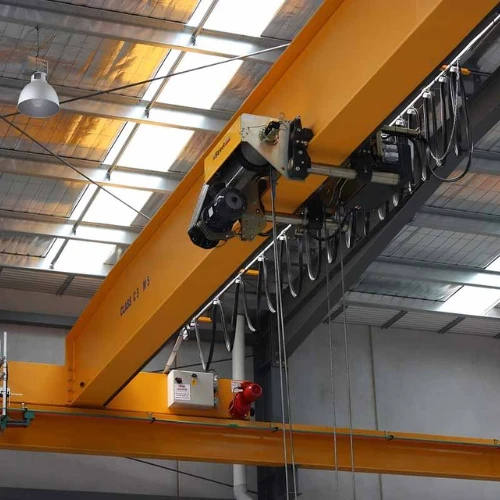
For example, designing Industrial Steel Buildings for a logistics park involves different engineering considerations than manufacturing facilities with heavy overhead cranes or processing plants housing specialised equipment.
Request information about completed projects involving:
- Manufacturing plants
- Warehouses
- Logistics facilities
- Engineering workshops
- Food processing units
- Commercial and industrial developments
Reviewing project portfolios allows buyers to assess engineering capability, project complexity, execution quality, and the manufacturer’s ability to solve practical construction challenges.
Client references and repeat business often provide additional assurance regarding communication, technical support, and adherence to project schedules.
Questions Every Buyer Should Ask
Selecting a Steel Building Manufacturer should involve more than evaluating technical brochures. Asking informed questions helps buyers understand the manufacturer’s engineering capability and project management approach.
Useful questions include:
- Are structural designs prepared by an in-house engineering team?
- Which Indian Standards and engineering codes are followed?
- How are wind and seismic loads incorporated into the design?
- What quality control procedures are implemented during fabrication?
- How is material traceability maintained?
- Can completed projects similar to ours be shared?
- What manufacturing capacity supports project delivery?
- How is future expansion considered during structural design?
- What level of technical support is available during installation?
Clear and technically sound responses usually indicate an organised engineering and manufacturing process.
Why Long-Term Value Matters More Than Initial Cost
Selecting a PEB Manufacturer based solely on the lowest quotation can increase long-term operational costs if engineering quality, fabrication accuracy, or material standards are compromised.
A well-engineered industrial building should provide dependable performance throughout its lifecycle while accommodating changing operational requirements. Structural reliability, accurate fabrication, efficient erection, and maintainable building systems all contribute to long-term value.
When comparing proposals, consider factors beyond price, including:
- Engineering expertise
- Manufacturing quality
- Inspection procedures
- Delivery capability
- Project coordination
- Technical support
- Expandability
- Expected building performance
The most economical solution over the life of a building is often the one that balances initial investment with durability, operational efficiency, and reduced maintenance requirements.
Conclusion
Choosing the right PEB Manufacturer is a strategic decision that extends well beyond comparing quotations. Engineering expertise, compliance with recognised standards, manufacturing infrastructure, quality assurance, and relevant project experience all contribute to the long-term safety, performance, and value of an industrial building.
Before finalising a manufacturer, assess their design capabilities, production processes, quality control systems, and experience delivering projects similar to your own. A technically competent PEB Manufacturer should be able to support your project from engineering and fabrication through to successful execution while accommodating future operational requirements.
Choice Pre-Fab LLP combines in-house engineering expertise, precision manufacturing, and a commitment to quality to deliver customised Pre-Engineered Building solutions for factories, warehouses, logistics facilities, and other industrial developments. By focusing on engineering excellence and customer requirements, the company helps businesses build reliable, efficient, and future-ready industrial infrastructure.
Whether you are planning a new facility or expanding an existing one, partnering with an experienced PEB Manufacturer such as Choice Pre-Fab LLP can help you achieve a project that is engineered for long-term performance, operational efficiency, and sustainable growth.
Frequently Asked Questions
1. How early should a PEB Manufacturer be involved in an industrial project?
Ideally, the manufacturer should participate during the conceptual design stage. Early collaboration enables structural optimisation, better coordination with architects and consultants, and identification of opportunities to improve constructability before detailed design begins.
2. Why is material traceability important in PEB manufacturing?
Material traceability links fabricated steel components to their original mill certificates and inspection records. This supports quality assurance, simplifies audits, and provides confidence that specified materials have been used throughout the project.
3. What role does CNC fabrication play in manufacturing quality?
CNC-based fabrication improves dimensional accuracy, repeatability, and consistency across structural components. Precision manufacturing also helps minimise fit-up issues during site erection and supports efficient project execution.
4. Can a PEB building be expanded in the future?
Many Pre-Engineered Buildings can be designed with future expansion in mind. Discussing anticipated growth during the planning stage allows engineers to incorporate suitable provisions into the structural design where feasible.
5. Why should buyers review a manufacturer’s completed projects?
Examining projects of similar size, industry, and complexity provides valuable insight into the manufacturer’s technical capability, project execution processes, and experience handling requirements comparable to your own development.