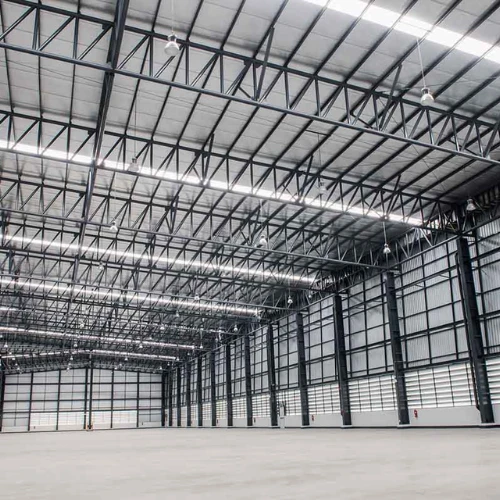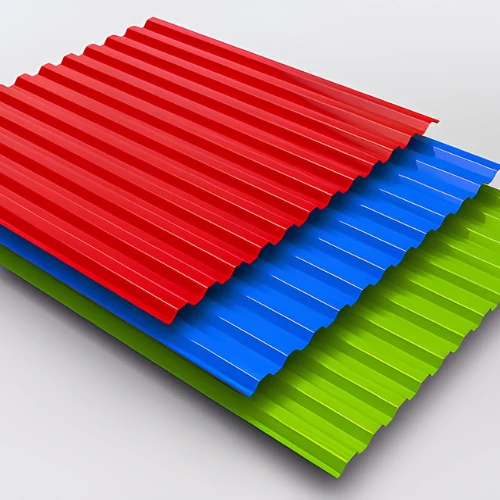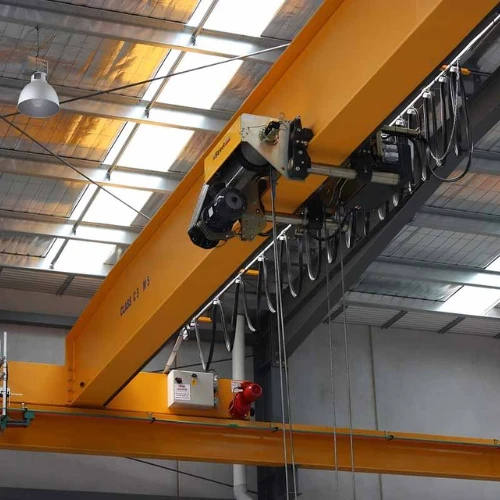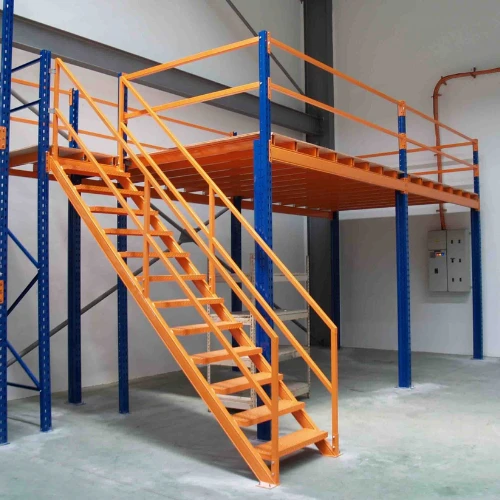
Industrial buildings, warehouses, factories, and pre-engineered buildings (PEBs) rely on several structural components to ensure strength, stability, and long-term performance. Among these components, Roofing Purlins play a critical role in supporting roof systems and distributing structural loads.
Modern industrial projects increasingly require durable and cost-effective industrial roofing purlin solutions that can support large roof spans while ensuring long-term structural performance. Whether you’re developing a manufacturing facility, logistics centre, warehouse, or commercial building, selecting the right roofing support system is essential for achieving structural reliability, operational efficiency, and long-term building performance.
This guide explains what roofing purlins are, their importance in industrial construction, the different types available, and how to choose the right solution for your project.
What Are Roofing Purlins?
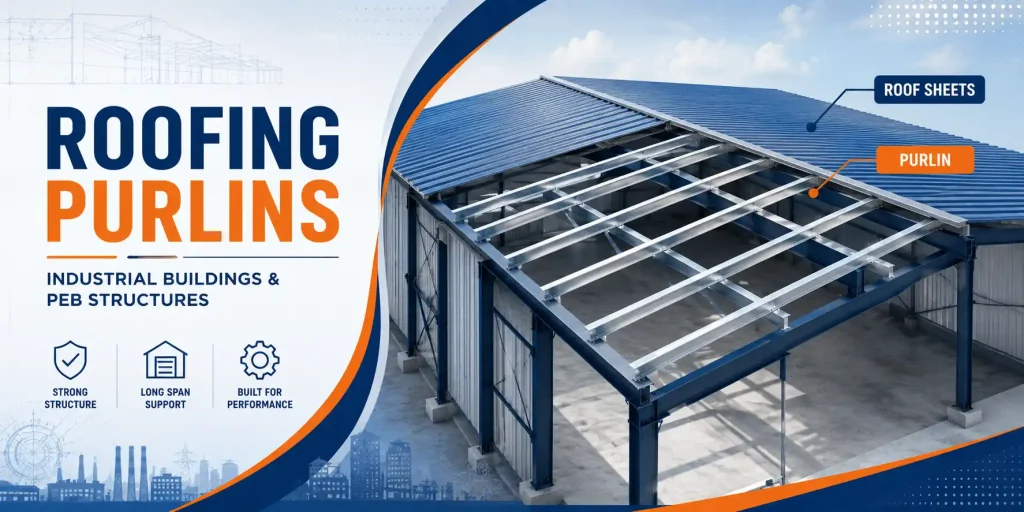
Roofing purlins are horizontal structural members installed between the primary steel framework and the roof sheeting. In cold-formed steel construction, purlin systems are widely used to support roof loads while maintaining structural efficiency across large spans.
They act as a supporting framework that transfers roof loads to the main structural elements such as rafters, columns, or trusses.
In industrial and PEB construction, roofing purlins form an essential part of the roof support system by:
- Supporting roof sheets and cladding
- Distributing dead and live loads
- Providing structural stability
- Maintaining roof alignment and integrity
Without properly designed purlins, roof systems may experience excessive deflection, reduced load-bearing capacity, and long-term structural issues.
Industry guidance published by the American Iron and Steel Institute (AISI) highlights the role of cold-formed steel members in roof framing systems and structural load transfer.
Why Are Roofing Purlins Important in Industrial Buildings and PEB Structures?
Structural Stability
Roof support members strengthen the roofing framework by connecting structural components and reducing unsupported spans. This improves the overall stability of industrial roofing structures.
Load Distribution
Industrial roofs are exposed to various loads, including:
- Roofing material weight
- Maintenance loads
- Wind loads
- Rainwater accumulation
- Equipment loads
Purlins help distribute these forces evenly across the building structure.
Proper purlin design begins with accurate load analysis. Learn how dead loads, live loads, wind pressure, and seismic forces are calculated in our step-by-step guide on structural load bearing capacity for PEB buildings.
Improved Roof Performance
A properly designed purlin system enhances roof durability, reduces deformation, and helps maintain the performance of roofing sheets over time.
Cost Efficiency
Compared to heavier structural alternatives, modern steel purlins provide excellent strength while reducing overall material consumption and installation costs.
Types of Roofing Purlins for Industrial Buildings
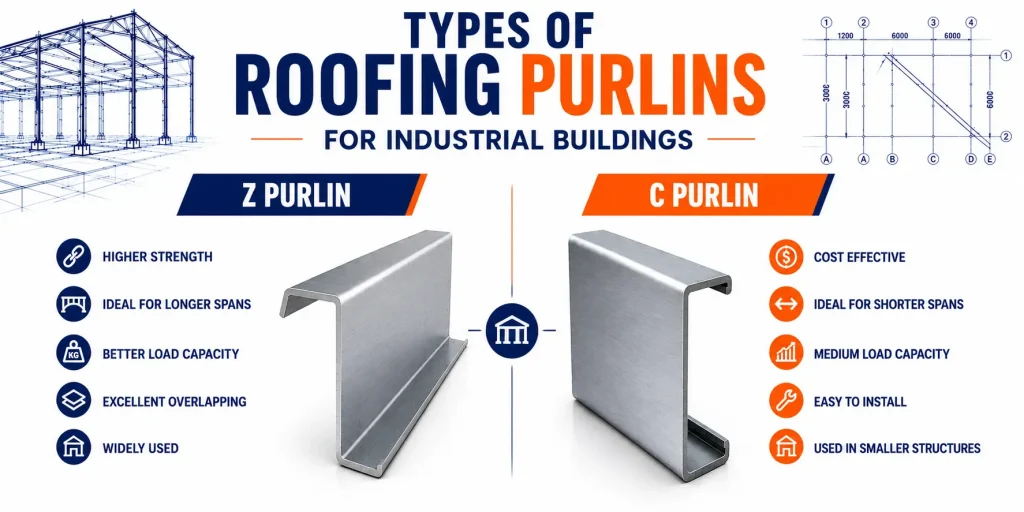
Understanding the types of roofing purlins for industrial buildings is essential when designing efficient roof structures. The most commonly used options include C purlins and Z purlins, each offering unique advantages depending on building size, load requirements, and span lengths.
C Purlins
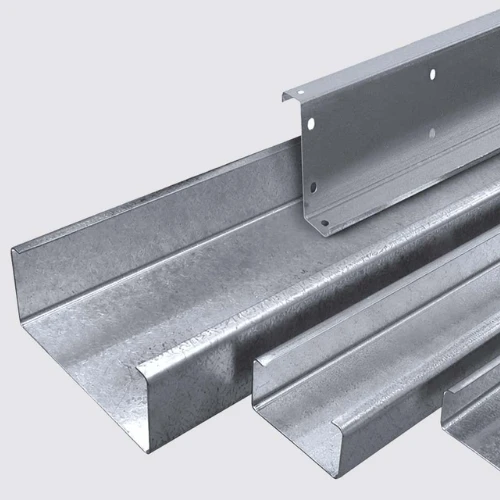
C purlins feature a cross-section shaped like the letter “C”. They are commonly used in smaller spans and lighter structural applications.
Advantages of C Purlins
- Easy installation
- Cost-effective solution
- Suitable for shorter spans
- Widely used in industrial sheds and warehouses
Applications
- Factory sheds
- Storage buildings
- Commercial structures
- Secondary framing systems
Z Purlins
Z purlins have a “Z” shaped cross-section and are often preferred for larger industrial buildings.
Advantages of Z Purlins
- Higher load-carrying capacity
- Suitable for longer spans
- Better structural efficiency
- Can overlap at supports for increased strength
Applications
- Large warehouses
- Manufacturing plants
- Logistics hubs
- PEB roofing systems
C Purlin vs Z Purlin for Roofing
One of the most common considerations for architects, consultants, and PEB contractors is choosing between C purlin vs Z purlin for roofing. The right selection depends on structural loads, roof span requirements, and project specifications.
| Feature | C Purlin | Z Purlin |
| Shape | C-Shaped | Z-Shaped |
| Span Capability | Moderate | Higher |
| Load Capacity | Medium | High |
| Overlapping Capability | Limited | Excellent |
| Installation | Simple | Moderate |
| Best Use | Smaller Structures | Large Industrial Buildings |
| Cost | Generally Lower | Slightly Higher |
The choice between C purlin and Z purlin depends on project specifications, structural loads, and span requirements.
Benefits of Steel Roofing Purlins
Steel roofing systems have become the preferred choice for modern industrial construction due to their performance and reliability.
High Strength-to-Weight Ratio
Steel offers excellent structural strength without adding excessive weight to the building.
Long-Term Durability
Properly manufactured steel members can withstand demanding industrial environments for many years.
Corrosion Resistance
Galvanised roofing purlins feature protective zinc coatings that improve resistance to corrosion and environmental exposure.
Faster Installation
Prefabricated purlin systems allow faster site installation, reducing project timelines and labour costs.
Reduced Maintenance
Compared to traditional materials, steel roofing purlins require minimal maintenance throughout their service life.
These benefits make steel purlins ideal for industrial buildings, warehouses, and PEB structures across India.
Benefits of Galvanised Steel Roofing Purlins
Galvanisation enhances the durability and performance of steel roofing components.
Key advantages include:
- Improved corrosion resistance
- Longer service life
- Reduced maintenance requirements
- Better performance in humid and industrial environments
- Suitable for warehouses, factories, and industrial sheds
For industrial facilities exposed to varying weather conditions, galvanised steel remains one of the most reliable roofing support solutions.
Common Applications of Roofing Purlins
Industrial Sheds
Steel roofing purlins for industrial sheds provide reliable structural support for manufacturing plants, fabrication units, engineering workshops, and processing facilities.
Warehouses
Galvanised steel roofing purlins for warehouses work alongside roofing and wall panels to provide complete structural enclosure for modern logistics parks.
Factory Sheds
Roofing purlins for factory sheds help support roof sheets, distribute structural loads efficiently, and improve the overall stability of industrial buildings. Both C and Z purlins are commonly used depending on span requirements and design specifications.
Manufacturing Facilities
Support roofing systems in production plants where structural reliability is essential.
Logistics Centres
Large logistics hubs often rely on Z purlins to accommodate extensive roof spans.
Commercial and Institutional Buildings
Purlins are commonly used in showrooms, educational institutions, service centres, and commercial complexes.
PEB Structures
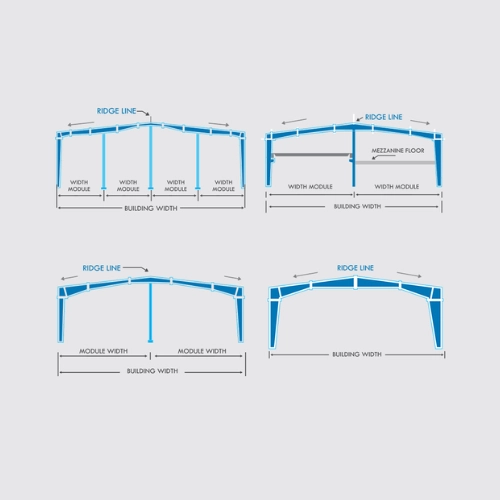
Roofing purlins for PEB structures play a vital role in supporting roof sheets, transferring loads to the primary steel framework, and maintaining overall structural stability. Due to their strength, lightweight design, and ease of installation, C and Z purlins are widely used in modern pre-engineered building projects across industrial and commercial sectors.
Steel Purlins vs Traditional Roofing Support Materials
| Parameter | Steel Purlins | Conventional Roof Framing Systems |
| Strength | High | Moderate |
| Durability | Excellent | Moderate |
| Maintenance | Low | High |
| Corrosion Resistance | High (Galvanised) | Not Applicable |
| Lifespan | Long | Shorter |
| Installation Speed | Fast | Moderate |
This comparison highlights why steel purlins have become the preferred choice for modern industrial construction.
How to Choose Roofing Purlins for Industrial Projects
Selecting the appropriate roofing system requires evaluating several project-specific factors.
Building Span
Longer spans typically require stronger structural members, often making Z purlins the preferred choice.
Load Requirements
Consider:
- Roof sheeting weight
- Equipment loads
- Wind loads
- Future expansion requirements
Roofing Material
Different roofing systems may require specific purlin spacing and support arrangements.
Corrosion Protection
Industrial environments with moisture, chemicals, or coastal exposure often benefit from galvanised steel roofing systems.
Project Budget
Balancing performance and cost is important when selecting purlin systems.
Local Climate Conditions
Factors such as heavy rainfall, high temperatures, and wind exposure should influence purlin design and specification.
Carefully evaluating these factors helps determine the most suitable roofing support solution for industrial projects.
Roofing Purlins for Industrial Projects in Ahmedabad
Ahmedabad continues to be one of Gujarat’s leading industrial hubs. Areas such as Sanand, Changodar, Kathwada, Naroda, Vatva, Bavla, and Dholera SIR have witnessed continued industrial growth driven by manufacturing, engineering, automotive, logistics, and warehousing sectors.
The demand for Steel Roofing Purlins Ahmedabad continues to grow as industries expand across these industrial zones and infrastructure projects increase.
Businesses investing in PEB Roofing Purlins Ahmedabad solutions often prioritise durability, corrosion resistance, and structural efficiency to ensure long-term building performance.
As demand for modern industrial infrastructure increases, developers are actively seeking reliable Roofing Solutions for Industrial Buildings in Ahmedabad that support operational efficiency, safety, and future expansion.
High-quality roofing systems are essential for ensuring structural stability, operational reliability, and long-term building performance.
For industrial developers and contractors seeking a Roofing Purlins Manufacturer in Ahmedabad, factors such as material quality, engineering expertise, galvanisation standards, production capabilities, and compliance with industry standards should be carefully evaluated before making a selection.
Well-designed purlin systems contribute to stronger industrial buildings capable of meeting the operational demands of modern businesses across Ahmedabad, Gujarat, and India.
Conclusion
Roofing purlins are fundamental components of industrial buildings and PEB structures. They provide critical support to roof systems, distribute loads efficiently, and contribute to the overall strength and stability of a building.
Whether selecting between C purlins and Z purlins, evaluating galvanised steel options, or planning a large-scale industrial facility, understanding the role and benefits of roofing support systems is essential for long-term project success.
Whether you require a PEB roofing purlins supplier in Gujarat for a large warehouse project or customised steel support systems for manufacturing facilities, selecting the right purlin configuration is critical for achieving structural stability, safety, and long-term value.
Roofing systems should always be designed in accordance with applicable engineering standards and recommendations published by the Bureau of Indian Standards (BIS).
For industrial developments across Ahmedabad, Gujarat, and India, working with experienced providers such as Choice Pre-Fab LLP can help ensure reliable roofing and PEB solutions tailored to project requirements.
Frequently Asked Questions
How long do steel roofing purlins typically last?
The lifespan of steel roofing purlins depends on factors such as material quality, galvanisation, environmental conditions, and maintenance. In properly designed industrial buildings, galvanised steel purlins can provide reliable performance for several decades.
Can roofing purlins be customised for different industrial projects?
Yes. Purlins can be manufactured in various sizes, thicknesses, and profiles to meet specific project requirements, including span lengths, roof loads, and structural design criteria.
What is the difference between C purlin and Z purlin?
C purlins are commonly used for smaller spans and lighter applications, while Z purlins provide greater load capacity and are suitable for larger industrial structures.
What factors affect the load-bearing capacity of roofing purlins?
The load-bearing capacity depends on the purlin profile, steel thickness, span length, spacing, roof slope, and expected loads such as wind, rain, and equipment weight.
What material is used for roofing purlins?
Most roofing purlins are manufactured from cold-formed galvanised steel because of their strength, durability, and corrosion resistance.
How far apart should roofing purlins be?
Purlin spacing depends on building design, roofing material, structural loads, and engineering requirements. Project-specific calculations should always be performed.
Why are galvanised steel purlins preferred for industrial buildings?
Galvanised steel purlins offer enhanced corrosion resistance, durability, and low maintenance requirements, making them well-suited for factories, warehouses, logistics centres, and other industrial environments.
Can roofing purlins be used in warehouses and logistics Centres?
Yes. Roofing purlins are widely used in warehouses, logistics hubs, manufacturing facilities, factory sheds, and industrial buildings due to their structural efficiency and reliability.
Can existing industrial buildings be upgraded with new purlin systems?
In many cases, older industrial buildings can be retrofitted with new purlins during roof replacement or renovation projects. A structural assessment is recommended before making modifications.