The industrial landscape is rapidly evolving in 2026, and businesses need infrastructure that is fast, flexible, and durable. Traditional construction methods often struggle to meet modern industrial demands, especially when projects require large spans, heavy load-bearing capacity, or accelerated timelines. This is why Structural Steel Buildings are becoming the preferred choice for factories, warehouse sheds, and other industrial facilities.
From faster construction to superior longevity, Structural Steel Buildings provide industries with a solution that meets both operational and financial needs. Companies looking to scale efficiently are increasingly realising that investing in steel structures is not just a choice, it’s a necessity for the future of industrial construction.
What Makes Structural Steel Buildings Ideal for Modern Industry?
Structural Steel Buildings are prefabricated structures built using engineered steel components. These buildings are designed to support large spaces without multiple columns, resist heavy loads, and adapt to changes in operations.
Unlike traditional concrete or brick constructions, steel buildings are fabricated off-site in controlled environments, reducing on-site errors and construction delays. This approach ensures precision, strength, and reliability for industrial applications.
Prefabricated steel elements allow industries to customise layouts and expand facilities without compromising structural integrity. In 2026, this adaptability is crucial as industrial operations continue to evolve with technology and automation.
Key Reasons Structural Steel Buildings Are Leading In Industrial Construction
Faster Construction and Project Delivery
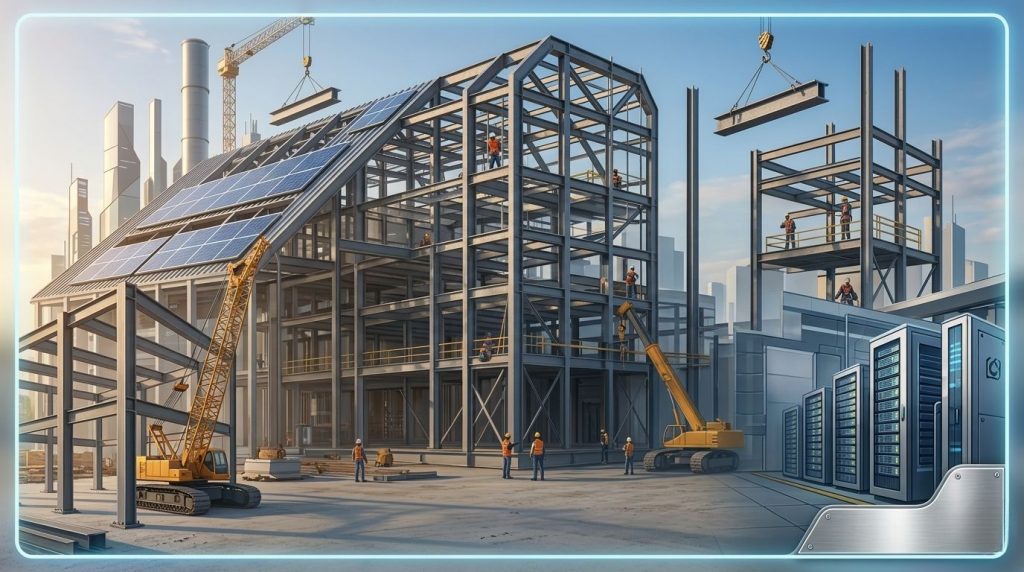
Time is critical in modern industrial operations. Structural Steel Buildings allow faster construction because most components are prefabricated before arriving on-site.
This prefabrication reduces construction timelines significantly, allowing businesses to start operations sooner. Shorter timelines also translate into lower labour costs and quicker ROI, making steel buildings an efficient and strategic investment for industrial enterprises.
Strength and Durability That Lasts
Industrial facilities often bear heavy machinery and handle high volumes of material storage. Structural Steel Buildings are engineered to handle such stress while remaining stable over decades.
Steel resists warping, cracking, termite damage, and weather-related issues. This longevity ensures industries do not face frequent maintenance challenges, providing long-term cost efficiency and operational security.
Flexible Layouts with Large Column-Free Spaces
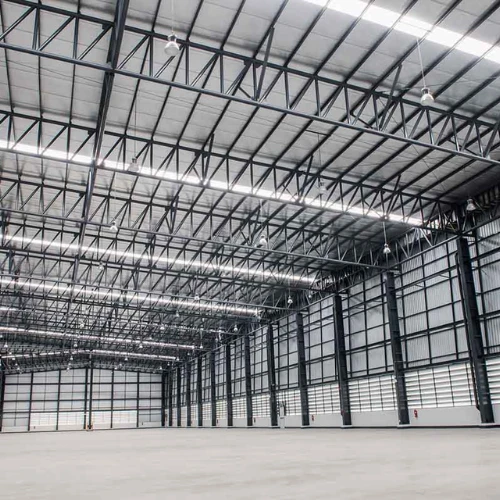
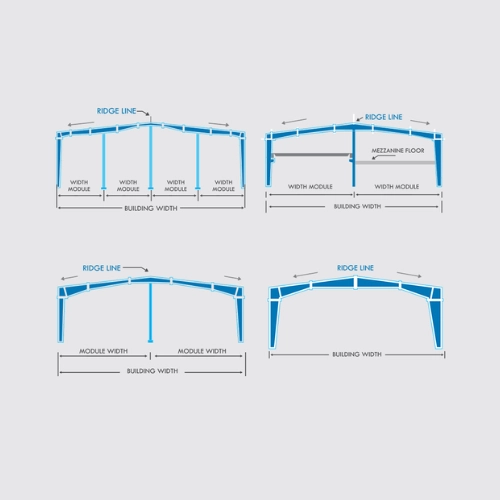
A significant advantage of Structural Steel Buildings is the ability to create expansive, column-free interiors.
This feature is particularly beneficial for warehouses, production lines, and logistics centres, where uninterrupted floor space improves workflow and operational efficiency. Industries can design layouts tailored to specific processes, making steel buildings a highly adaptable construction solution in 2026.
Cost-Effective and Predictable
While initial investments in steel buildings may seem higher than traditional construction, they are cost-effective over time. Faster construction reduces labour costs, and durability minimises long-term maintenance expenses.
Additionally, prefabricated steel components ensure precise material usage and minimise on-site waste, helping companies stick to budget forecasts. This predictability makes Structural Steel Buildings a financially smart choice for growing industrial operations with a better ROI.
How Each Part of a Structural Steel Building Contributes to Efficiency
A Structural Steel Building is a complete system where every component enhances efficiency and durability. Roofing and gutters protect against rainwater and prevent corrosion, while heat insulation for roofs, ceilings, and walls keeps interiors comfortable and reduces energy costs, supporting ESG goals.
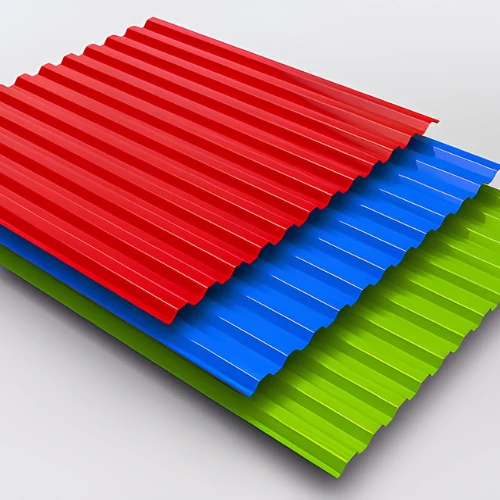
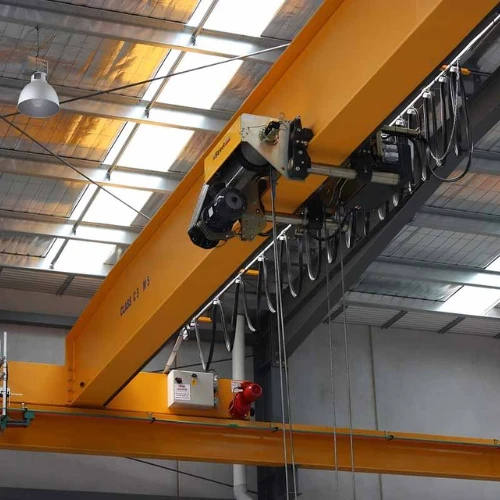
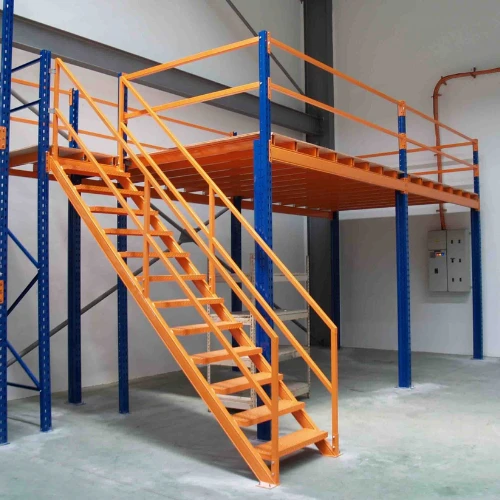
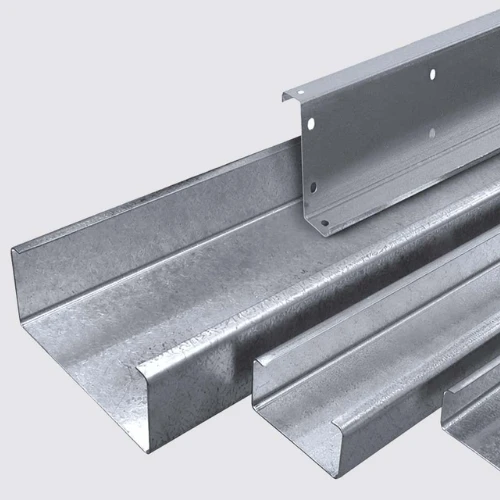
Cladding sheets and purlins provide structural strength and weather protection, and trims and flashings seal joints to prevent leaks, reducing maintenance needs. Crane systems, including overhead and bridge cranes, streamline heavy material movement, improving workflow and safety. Mezzanine systems optimise vertical space, increase storage capacity, and allow flexible layouts.
Together, these components make industrial steel buildings efficient, adaptable, and long-lasting.
Sustainable and Eco-Friendly
Sustainability is no longer optional in industrial development. Steel is one of the most recyclable materials globally, and modern Structural Steel Buildings are designed with energy efficiency in mind.
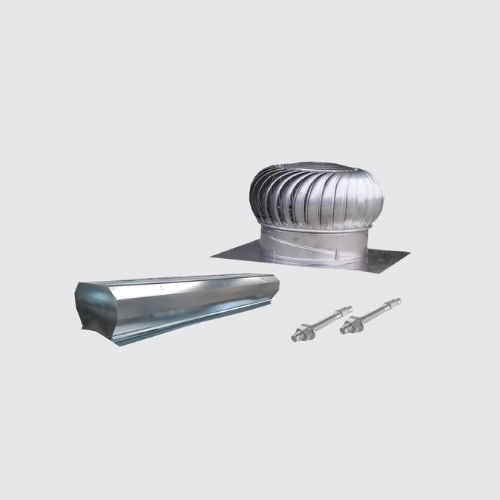
From incorporating insulated roofing systems to improving ventilation, these buildings help industries reduce energy consumption. Steel structures can also be repurposed or relocated, contributing to lower environmental impact. Industrial companies aiming for ESG compliance in 2026 are more preferred globally.
Choosing the Right Manufacturer Matters
The effectiveness of a Structural Steel Building depends heavily on the expertise of the manufacturer. Experienced manufacturers ensure precise engineering, quality steel fabrication, and compliance with safety standards.
Industries benefit from working with trusted partners who can deliver customised steel structures that match operational needs. This expertise guarantees the building will perform reliably for decades, reinforcing the long-term value of steel construction.
The Future of Industrial Construction in 2026
As industries adopt automation, advanced manufacturing, and scalable production strategies, infrastructure must support these innovations. Structural Steel Buildings meet these demands by offering speed, flexibility, strength, and sustainability.
The trend toward steel construction is clear: businesses that prioritise efficiency, durability, and adaptability are investing in steel structures as the backbone of modern industrial operations. By 2026, Structural Steel Buildings are set to dominate industrial construction projects worldwide.
Ready to future-proof your industrial facility? Choice Prefab LLP specialises in designing and delivering high-quality Structural Steel Buildings tailored to your operational needs.
Visit choiceprefab.com today and discover how steel structures can strengthen your industrial operations with precision, efficiency, and long-term reliability.
Conclusion
Industrial construction in 2026 is driven by efficiency, cost-effectiveness, and adaptability. Structural Steel Buildings address these needs better than traditional construction methods, offering faster project delivery, long-term durability, flexible layouts, and sustainable solutions.
For companies aiming to expand operations or build new industrial facilities, investing in Structural Steel Buildings is not just practical; it is essential for future growth.
FAQ
1. Why are structural steel buildings the future of industrial construction?
They offer faster construction, superior durability, flexible layouts, and sustainability, making them ideal for modern industrial operations in 2026.
2. Are Structural Steel Buildings cost-effective?
Yes. They reduce labour, maintenance, and material wastage costs, offering predictable and long-term financial benefits.
3. Can Structural Steel Buildings support heavy machinery?
Absolutely. They are engineered to withstand heavy loads and large equipment, making them perfect for factories and warehouses.
4. How do Structural Steel Buildings make your operations ESG-friendly?
Structural Steel Buildings contribute to ESG goals by using highly recyclable materials, minimising construction waste, and enabling energy-efficient designs. They reduce environmental impact, promote sustainability, and support responsible industrial practices.