In the high-stakes world of industrial manufacturing, whether it is chemical processing, pharmaceuticals, or heavy machinery, the building you operate in is a critical safety asset. The shift towards Steel Buildings is driven by rigorous safety compliance, as structures failing to withstand environmental stress put assets and lives at risk.
However, not all steel structures are created equal. The difference between a safe, long-lasting facility and a liability often lies in invisible details like the steel grade, engineering simulations, and the thickness of protective coatings.
This guide explores how modern Steel Buildings are engineered to meet strict industrial safety standards, focusing on fire resistance, structural integrity, and long-term durability.
The Foundation of Safety: Why Material Sourcing Matters
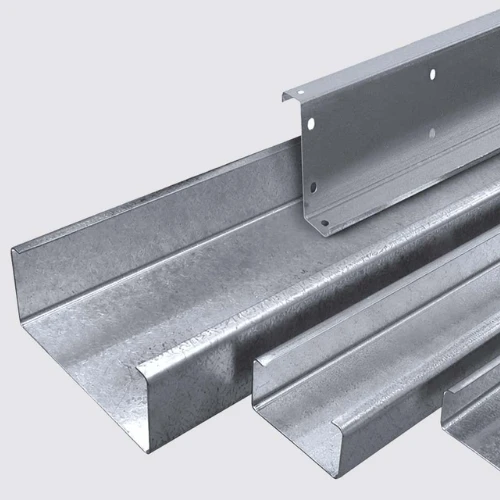
The structural integrity of Steel Buildings begins at the molecular level. In the Pre-Engineered Building (PEB) industry, there is a massive gap between “primary” and “secondary” steel.
- Secondary Steel: Often sourced from scrap or unverified markets. It carries risks of inconsistent tensile strength and unpredictable performance under load.
- Primary Steel: Sourced strictly from major producers like Tata Steel, Essar, or JSW. This ensures the chemical composition is uniform.
To guarantee safety, top-tier manufacturers utilise primary members with specific high-grade properties:
- Standard: ASTM A572M
- Grade: Grade 50, Type 1
- Designation: E350
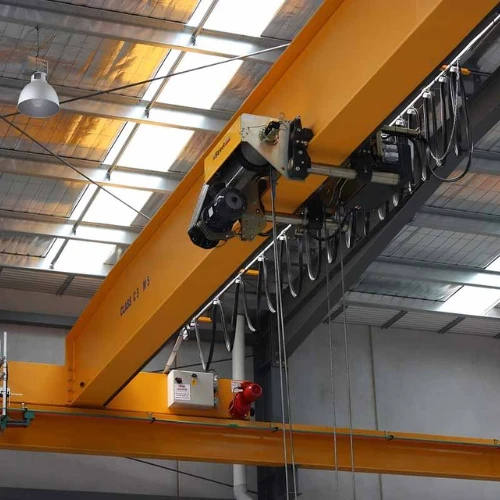
For an industrial client, this means the building behaves exactly as predicted. Whether it is supporting a heavy overhead crane or withstanding high wind loads, the use of certified E350 steel serves as the first line of defence against structural failure.
Engineering Out Risk: Precision Design and Stability
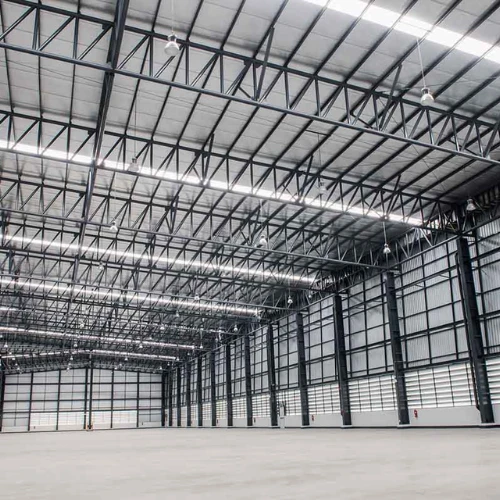
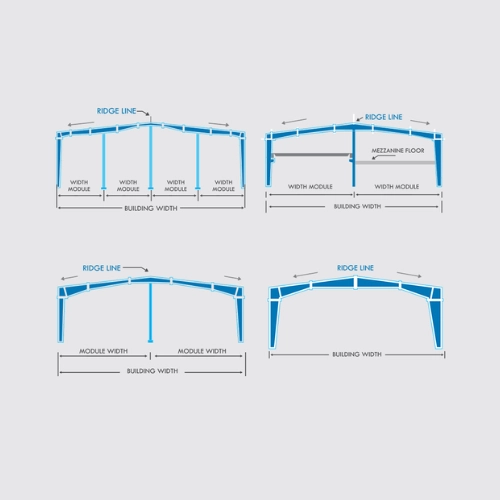
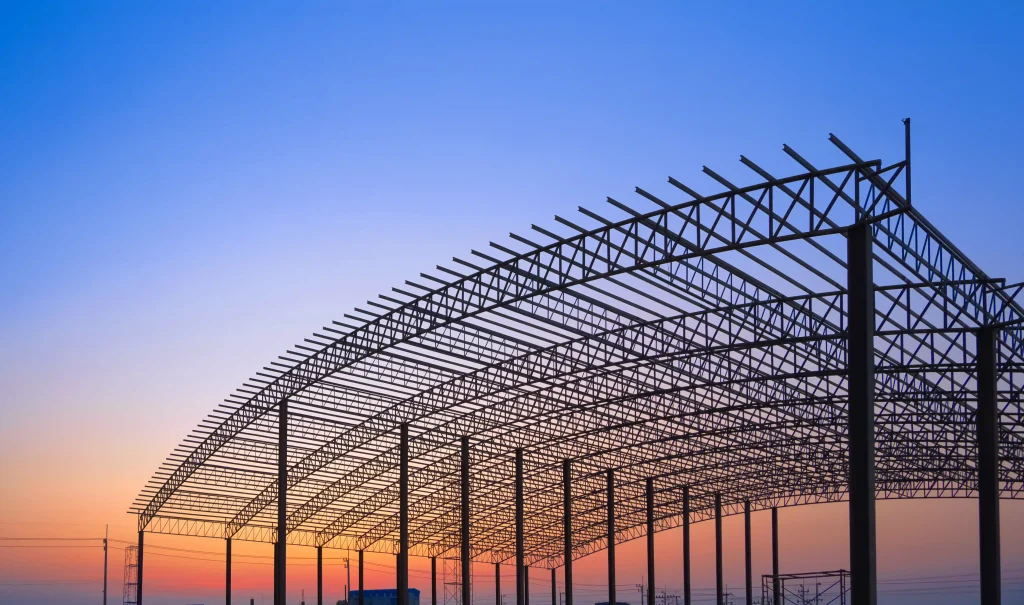
Safety is not just about strong materials; it is about precise calculation. Industrial sheds often require large open spaces, necessitating a PEB Building design that minimises internal columns without sacrificing stability.
To eliminate human error, engineers use advanced simulation software:
- STAAD.Pro CONNECT: Calculates exact load-bearing capacities for every joint.
- Tekla: Creates detailed 3D models to visualise connections before fabrication.
Real-World Application: The “Clear Span”
A testament to this engineering capability is the construction of massive clear-span structures, such as a 33.84-metre clear span achieved without a centre column.
- Safety Benefit: Removes internal obstructions, reducing forklift accidents.
- Structural Benefit: Ensures the roof does not sag or buckle over decades.
Combating Corrosion in Harsh Environments
For industries like Chemical, Plastic, and Pharmaceuticals, the biggest threat to safety is not always mechanical load, it is corrosion. Acidic fumes and high humidity can eat away at structural columns, often called the “cancer” of the steel, compromising the skeleton from the inside out.
The Defence Strategy
Standard paint jobs are insufficient. To maintain safety standards, Steel Buildings in these sectors require specialised treatments:
- Coating Type: Epoxy or PU (Polyurethane) paints.
- Application Thickness: A minimum Dry Film Thickness (DFT) of 120 microns.
Safety Specification Cheat Sheet
Here is a quick comparison of standard market practices versus high-safety industrial standards:
| Feature | Standard Market Practice | High-Safety Standard (Recommended) |
| Steel Source | Secondary / Scrap Market | Primary (Tata / JSW / Essar) |
| Steel Grade | Variable / E250 | ASTM A572M Gr. 50 (E350) |
| Paint Thickness | 60–80 Microns | 120 Microns Minimum |
| Design Tools | Manual / Basic CAD | STAAD.Pro & Tekla |
| Roof Warranty | Verbal / Limited | 1 Year (Structure & Leakage) |
Fire Resistance and Weatherproofing
While steel is naturally non-combustible, maintaining structural integrity in Steel Buildings during a heat event is critical. High-grade steel (E350) retains its load-bearing capacity better than lower grades, providing crucial time for evacuation.
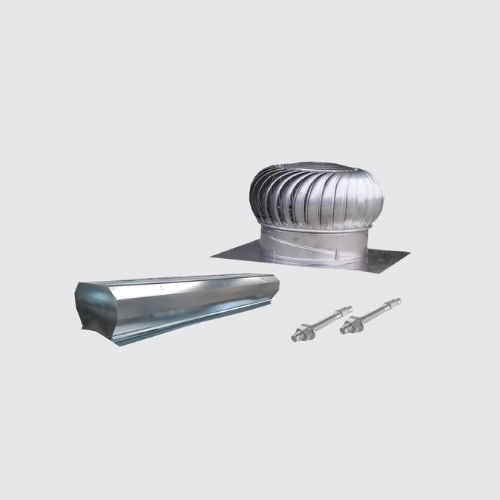
Beyond fire, water is a primary enemy. Leaks lead to electrical short circuits and slippery floors. Guaranteeing a leak-proof roof involves specific technologies:
- Sealants: Premium Resibond Silicon to seal joints.
- Tapes: Talon Tack Tapes for airtight overlaps.
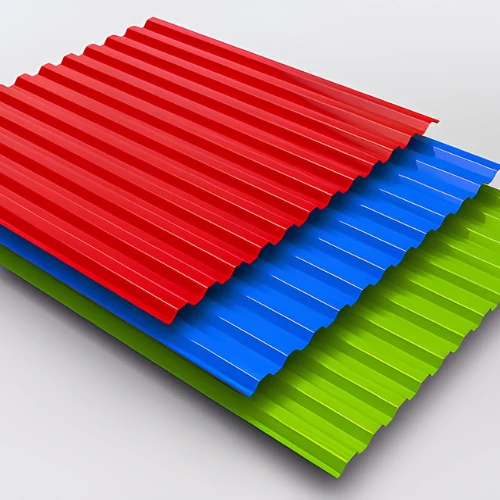
- Systems: Double Lok roofing profiles to prevent water ingress during heavy rains.
Conclusion: Investing in Long-Term Safety
When you evaluate quotes for Pre-Engineered Steel Structures, look beyond the price per square foot. True value lies in the safety specs.
Companies like Choice Prefab understand that industrial clients are not just buying a building; they are buying peace of mind. By adhering to strict standards, such as using Tata/JSW steel, applying 120-micron coatings, and utilising Tekla for design, manufacturers can offer warranties that stand as a promise of durability.
For business owners, choosing high-spec Steel Buildings is a strategic move. It ensures compliance with safety regulations, reduces insurance liabilities, and provides a durable asset for years to come.
Frequently Asked Questions (FAQs)
1. What grade of steel is safest for industrial buildings?
The industry standard for primary members in high-quality Steel Buildings is ASTM A572M, Grade 50 (E350). It is crucial that this steel is sourced from primary producers like Tata or JSW to ensure consistent tensile strength.
2. How do you prevent rust in chemical or pharma factories?
For corrosive environments, we apply specialised Epoxy or PU paints with a minimum Dry Film Thickness (DFT) of 120 microns. This creates a robust barrier against fumes and moisture.
3. Can Steel Buildings withstand heavy rainfall without leaking?
Yes. We utilise Resibond Silicon and Talon Tack Tapes along with superior roofing profiles to guarantee a leak-proof structure, protecting your internal assets from water damage.
4. Why is “clear span” important for industrial safety?
A wide clear span (like our successful 33.84M span) reduces the need for internal columns. Fewer columns mean fewer obstructions for forklifts and machinery, significantly reducing the risk of workplace collisions.
5. How do I know if a PEB manufacturer is reliable?
Look for manufacturers who use primary steel, offer detailed warranties (e.g., 1-year on the structure), and use advanced design software like STAAD.Pro and Tekla. Companies looking for the Best PEB manufacturers in Gujarat often use these criteria for vetting.