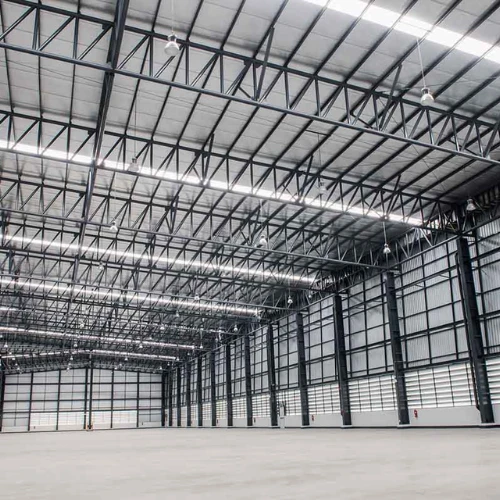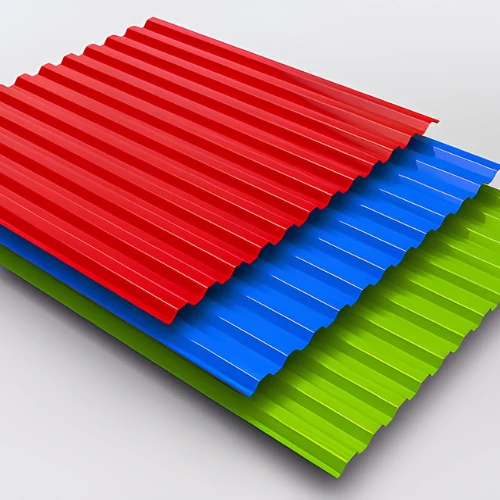
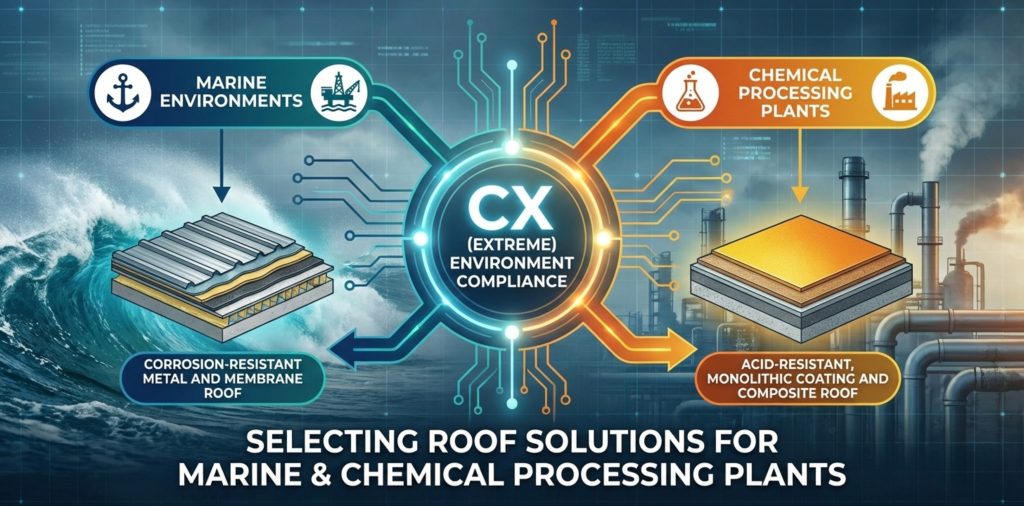
Marine terminals and chemical processing plants operate under some of the harshest industrial conditions. Constant exposure to salt-laden air, chemical fumes, high humidity, and UV radiation places extreme stress on building envelopes. Among all components, roofs face the highest level of environmental punishment. Therefore, selecting the right roof solutions becomes a critical compliance and performance decision rather than a routine construction choice.
In CX, or extreme environments, structural failure accelerates quickly. Corrosion, coating degradation, and leakage can compromise safety, disrupt operations, and inflate maintenance budgets. A poorly designed roof often becomes the weakest link in otherwise robust infrastructure. This makes environment-specific roof engineering essential for long-term operational continuity.
What Defines a CX (Extreme) Environment?
CX environments combine multiple aggressive exposure factors acting simultaneously. Marine locations introduce high chloride content, while chemical plants emit acidic or alkaline vapours. Temperature fluctuations, moisture retention, and wind-driven particles worsen material fatigue over time. Individually, these elements are manageable. However, their combined effect multiplies corrosion rates.
According to the Central Electrochemical Research Institute (CECRI), India, steel corrosion rates in coastal zones can be up to 0.8 mm per year, compared to less than 0.1 mm inland. Chemical processing units further accelerate degradation through sulphur dioxide, ammonia, or chlorine exposure.
Why Conventional Industrial Roofing Systems Fail in Marine and Chemical Facilities
Most industrial roofs are designed for moderate exposure. Thin galvanised sheets, standard fasteners, and basic paint systems cannot withstand CX conditions. The failure usually begins with coating breakdown at overlaps and fastener points. Once exposed, base metal corrosion spreads rapidly beneath the surface.
The Bureau of Indian Standards (BIS) estimates that corrosion-related damage costs India nearly 3–4% of GDP annually, with industrial structures forming a major share. Roof replacements cause downtime, safety risks, and regulatory non-compliance. Therefore, purpose-built roof solutions reduce both risk and long-term cost.
Compliance Standards That Govern CX Roof Design
Roof solutions for extreme environments must align with national and international standards. These standards ensure structural integrity, corrosion resistance, and safety compliance.
Key standards include:
- IS 800 for structural steel design
- IS 875 (Part 3) for wind load calculations, especially critical in coastal zones
- ASTM A792 / A755 for aluminium-zinc coated steel performance
- OSHA 1910 for industrial corrosion safety
- EPA industrial facility guidelines for chemical containment and emission control
Compliance with these standards ensures that roof solutions perform reliably under mechanical and environmental stress.
Material Selection: The Core of Durable Roof Solutions
Material choice defines roof lifespan in CX environments. Aluminium-zinc alloy-coated steel (AZ150 or higher) outperforms standard galvanised sheets due to its sacrificial and barrier protection mechanism. According to ASTM corrosion studies, Al-Zn coatings offer 2 to 4 times longer service life in marine atmospheres.
For chemical processing plants, pre-painted steel with epoxy, SMP, or PVDF coatings resists chemical vapour penetration. PVDF coatings, in particular, retain colour and corrosion resistance for over 25 years under aggressive exposure. Stainless steel roofing also performs well, but is usually reserved for highly critical zones due to cost considerations.
Therefore, engineered roof solutions focus on coating chemistry, thickness, and substrate compatibility.
Structural Design for Extreme Environmental Loads
Material strength alone cannot compensate for poor roof geometry. Improper slopes allow chemical residue and moisture to accumulate. In CX environments, stagnant deposits accelerate corrosion beneath sheets and fasteners.
Wind uplift presents another major threat, especially in coastal India. IS 875 identifies wind speeds exceeding 50 m/s in several coastal belts. Roof systems must account for suction forces, edge uplift, and dynamic loading. Optimised purlin spacing, tested fasteners, and reinforced edge detailing significantly enhance roof performance.
Well-designed roof solutions integrate structural efficiency with environmental resilience.
Fasteners and Accessories: Often Overlooked, Always Critical
Fasteners are the first components to fail in CX roofs. Salt corrosion attacks exposed heads, while chemical fumes degrade inferior washers. Once fasteners fail, sheets loosen, and leak paths form.
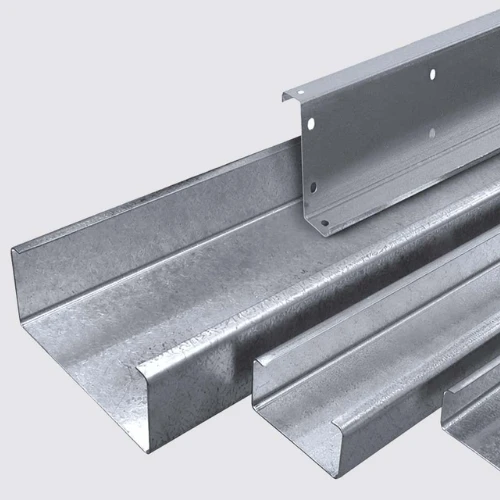
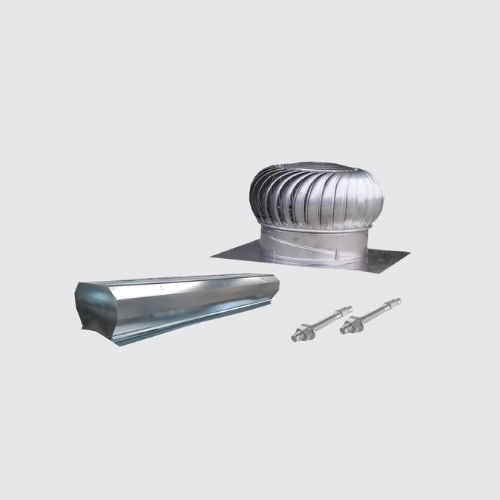
Stainless steel or high-performance coated fasteners with EPDM washers offer superior resistance to chemicals and UV exposure. Accessories such as ridge caps, gutters, and flashings must match the base roof material to prevent galvanic corrosion. Therefore, complete roof solutions treat every component as part of a unified system.
Thermal Control and Condensation Management
Chemical plants generate heat, while marine climates introduce high humidity. This combination causes frequent condensation beneath roof sheets. Dripping condensation damages machinery, contaminates products, and accelerates corrosion.
Insulated roofing panels reduce temperature differentials. Anti-condensation fleece layers temporarily absorb moisture and release it safely. The National Building Code of India recommends insulation for industrial roofs in high-humidity zones to protect assets and improve energy efficiency. Modern roof solutions integrate thermal and moisture control from the design stage.
Sustainability and Environmental Responsibility
Environmental regulations are becoming stricter across industrial sectors. Leaking roofs compromise emission control and rainwater management systems. Durable roofs support sustainability by reducing material replacement and energy loss.
The Ministry of Environment, Forest and Climate Change (MoEFCC), India, promotes long-life infrastructure to reduce industrial waste and carbon footprint. Energy-efficient roof solutions contribute directly to ESG goals and regulatory compliance.
PEB-Based Roof Solutions for Better Performance
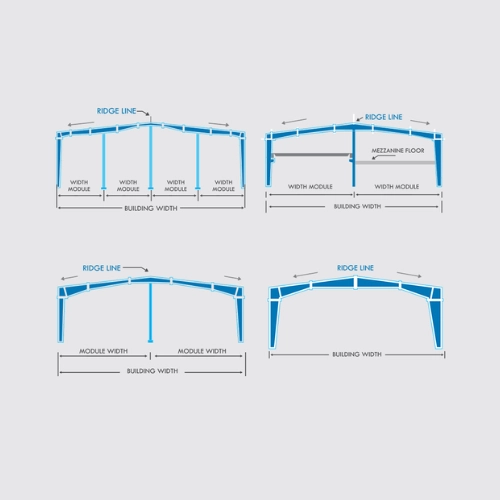
Pre-Engineered Buildings provide factory-controlled fabrication and coating quality. Unlike site-assembled systems, PEB roofs ensure consistent thickness, accurate slopes, and superior sealing.
PEB systems also support advanced coatings, insulation layers, and corrosion-resistant accessories. For marine ports and chemical plants, PEB-based roof solutions offer speed, reliability, and long-term predictability under CX conditions.
Why Choose Choice Prefab LLP
Choice Prefab LLP is one of the leading PEB manufacturers in India, specialising in industrial structures designed for extreme environments. We deliver engineered roofing systems for marine facilities, chemical plants, and heavy-process industries.
Choice Prefab LLP uses BIS-compliant steel, advanced corrosion-resistant coatings, and precision-engineered components. Our expertise lies in designing roof solutions that withstand aggressive exposure while meeting safety, sustainability, and lifecycle performance requirements.
If your facility operates where corrosion never rests, Choice Prefab LLP delivers roofs engineered to survive, not just shelter.
Conclusion
Marine and chemical processing plants demand roofing systems that can survive constant corrosion, high winds, and aggressive chemical exposure. Standard industrial roofs fail quickly in such CX environments, leading to safety risks and rising lifecycle costs. Therefore, investing in engineered, compliant roof solutions is a long-term operational necessity.
If your facility operates in extreme coastal or chemical conditions, Choice Prefab LLP delivers PEB-based roof solutions designed for durability, compliance, and performance. Contact us today to build a roof that protects your operations, assets, and future growth.
FAQs
How does corrosion classification (C4–C5) affect roof design in Indian coastal zones?
Corrosion categories defined by ISO and CECRI classify most Indian coastal and chemical zones as C4 or C5. In these zones, roofing systems must use higher coating thickness, sealed fasteners, and corrosion-resistant accessories to achieve acceptable service life.
What role does sacrificial corrosion play in aluminium-zinc roofing sheets?
Aluminium-zinc coatings protect steel through a sacrificial mechanism where the coating corrodes before the base metal. This slows down rust propagation, especially in chloride-rich marine atmospheres and chemically aggressive industrial environments.
How does roof slope influence corrosion rates in CX environments?
Low roof slopes increase moisture retention and chemical deposition. Slopes above 1:10 improve drainage, reduce surface contamination, and significantly slow corrosion progression in extreme environments.
Can reflective roof solutions help in chemical plant operations?
Reflective roof coatings reduce heat absorption and lower internal temperatures. This helps maintain stable process conditions, reduces HVAC load, and limits thermal stress on roofing materials in high-temperature industrial settings.
What inspection frequency is recommended for CX-compliant roofs?
For marine and chemical plants, visual inspections should occur twice a year, with detailed assessments every 3–5 years. Early detection of coating damage prevents widespread corrosion and unplanned shutdowns.
How do galvanic reactions impact mixed-metal roofing systems?
When dissimilar metals come into contact in moist environments, galvanic corrosion accelerates failure. Matching roof sheets, fasteners, and accessories prevents electrochemical reactions and extends roof life.