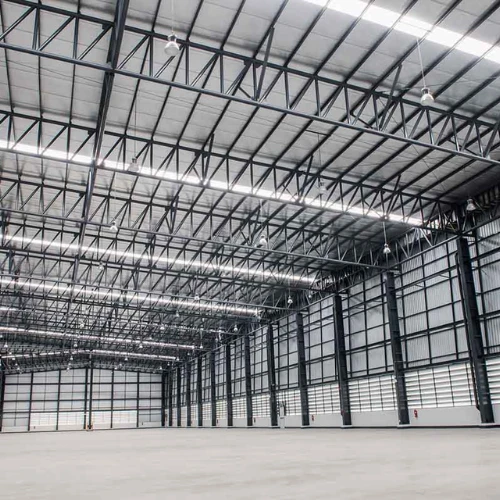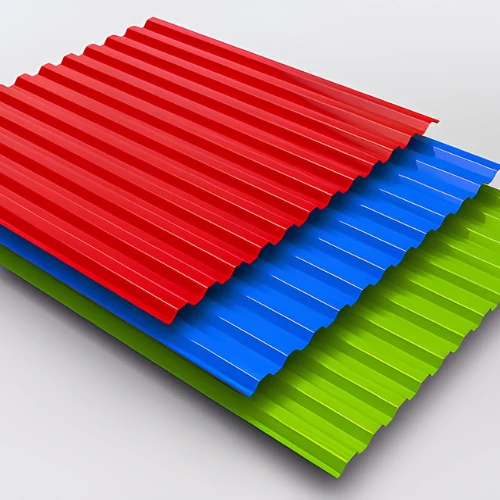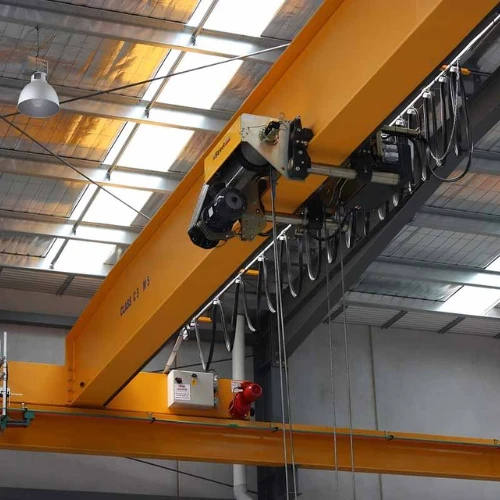
When a large warehouse, factory, or industrial shed is constructed, most attention goes to what is visible. The colour, finish, and thickness of the metal roofing sheets often become the focus. However, in industrial construction, long-term performance does not depend on appearance alone. It depends on the strength of the structure beneath the roof. In many cases, roof failures such as sagging sheets, leakages, or wind damage are not caused by poor roofing material. They occur because the support system was incorrectly designed or underspecified. This is where Z and C purlins play a critical role.
For B2B buyers, project consultants, and construction managers, understanding purlins is essential. These components are not optional accessories. They are structural elements that directly affect the safety, durability, and lifespan of metal roofing systems in Pre-Engineered Buildings.
This guide explains why Z and C purlins are essential for heavy-duty metal roofing sheets and how to choose the right profile for industrial projects.
The Role of Purlins in Industrial Roofing
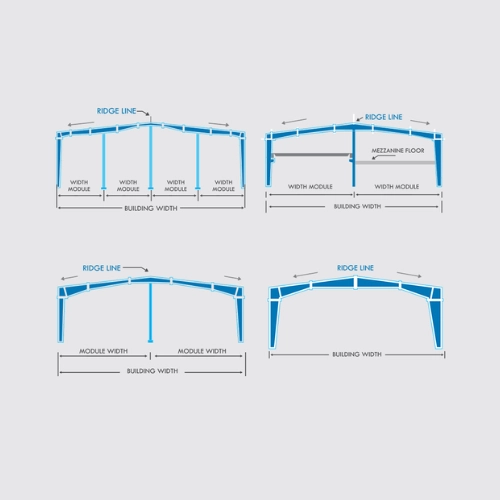
Purlins are secondary structural members installed horizontally across the roof. They run parallel to the building’s length and rest on the primary rafters or frames.
If columns and rafters form the main skeleton of a building, purlins act as the connecting framework that supports the roof cladding. Metal roofing sheets are fixed directly onto these purlins.
Without properly designed purlins:
- Roofing sheets can bend or deform under load
- Water can accumulate due to roof sagging
- Fasteners can loosen over time
- Wind uplift can damage or detach sheets
In industrial environments where roofs face heavy rainfall, strong winds, thermal expansion, and maintenance loads, purlins ensure that forces are transferred evenly to the main structure.
Z Purlins vs C Purlins: Understanding the Difference
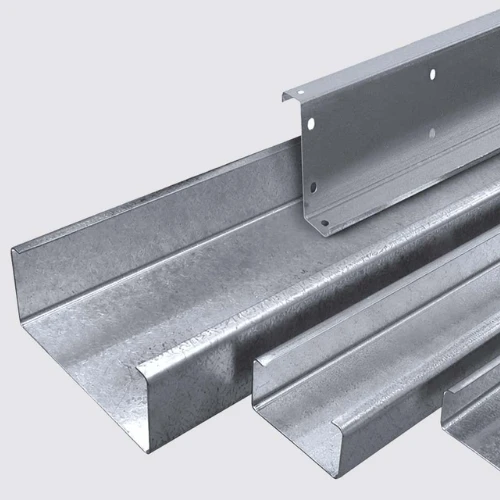
Many buyers know they require purlins but are unsure which profile is suitable for their project. Both Z and C purlins are cold-formed steel sections, but their shapes determine how they perform structurally.
Quick Comparison
| Feature | C Purlins | Z Purlins |
| Shape | C-shaped | Z-shaped |
| Span Type | Short to medium spans | Long and continuous spans |
| Lapping | Not possible | Can be overlapped |
| Load Capacity | Moderate | Higher due to continuity |
| Typical Use | Wall framing, small roofs | Large industrial roofing |
C Purlins
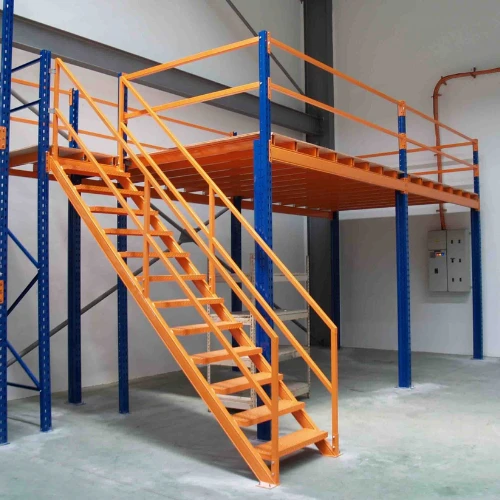
C purlins have a simple, squared C-shaped profile. They are commonly used in wall framing, mezzanine floors, and roofs with shorter spans.
Best suited for:
- Small to medium industrial sheds
- Structures where spans are limited
- Independent support sections
Advantages:
- Easy to fabricate and install
- Cost-effective for smaller projects
- Reliable support for standard metal roofing sheets
Z Purlins
Z purlins have a stepped profile that allows them to overlap at the supports. This overlapping creates a continuous beam effect.
Best suited for:
- Large warehouses and factories
- Long roof spans in PEB structures
- Heavy-duty metal roofing sheets
Advantages:
- Higher load-bearing capacity
- Reduced deflection over long spans
- Better performance against wind uplift
For most large industrial roofs in India, Z purlins are preferred because they allow wider bay spacing without compromising strength.
Why Purlins Are Critical for Metal Roofing Sheets
Installing metal roofing sheets without the correct purlin design can reduce the roof’s service life significantly. The interaction between purlins and roofing sheets determines how well the roof performs over time.
1. Load Distribution
Industrial roofs experience two types of loads:
- Dead load, which includes the weight of metal roofing sheets, insulation, and accessories
- Live load, which includes wind pressure, rainfall, maintenance activity, and in some cases solar panels
Z and C purlins distribute these loads evenly and transfer them safely to the main frame.
2. Prevention of Roof Sagging
If purlins are spaced too far apart or are under-designed, metal roofing sheets can sag over time. This leads to water ponding, corrosion, and leakage.
Correct purlin spacing ensures the sheets remain flat, properly aligned, and capable of draining water efficiently.
3. Wind Uplift Resistance
In open industrial zones, coastal areas, and high-wind regions, uplift forces can pull roofing sheets upward. When sheets are fixed securely to strong purlins, the roof behaves as a single structural system rather than individual panels.
This significantly reduces the risk of sheet failure during storms.
4. Thermal Expansion Control
Metal expands and contracts due to temperature changes. If the support structure is poorly designed, this movement can enlarge screw holes and weaken joints.
Quality purlin systems allow controlled movement, helping metal roofing sheets perform reliably across seasons without damage.
How to Choose the Right Purlins for Metal Roofing
When selecting purlins for an industrial project, the following factors should always be considered:
- Weight of roofing sheets
Heavier or insulated metal roofing sheets require higher-strength purlins. - Bay spacing
Larger bay spacing generally requires Z purlins due to their overlapping capability. - Environmental exposure
Galvanized purlins are essential in humid or corrosive environments to prevent rust. - Future loads
Provisions for solar panels, walkways, or equipment should be factored in during design.
Consulting experienced manufacturers and structural engineers ensures that purlin selection matches real site conditions.
The Choice Prefab Advantage
At Choice Prefab LLP, we focus on structural reliability, not just material supply. Our Z and C purlins are manufactured using high-grade steel and engineered to meet industrial load requirements.
We offer:
- Custom-cut lengths to reduce wastage
- Pre-punched holes for faster installation
- High tensile strength with optimal material usage
- Consistent galvanization for long-term corrosion resistance
When our purlins are paired with high-quality metal roofing sheets, the result is a roof system designed to perform reliably for decades.
Conclusion
Metal roofing sheets act as the protective shield of an industrial building, but their performance depends entirely on the strength of the structure supporting them. Z and C purlins provide that strength.
Choosing the right purlin profile ensures proper load distribution, prevents sagging, improves wind resistance, and extends the life of the roof. For any industrial or commercial project, investing in quality purlins is not an additional cost. It is a long-term structural safeguard.
Before finalising your roofing system, ensure that equal attention is given to both the sheets and the support beneath them.
Frequently Asked Questions
1. Can C purlins be used for long-span roofing?
C purlins can be used, but Z purlins are more suitable for long spans because they can overlap and provide higher strength.
2. Are galvanised purlins necessary?
Yes. Galvanisation protects purlins from corrosion caused by humidity and condensation, which helps maintain secure fastening of metal roofing sheets.
3. What is the typical purlin spacing?
Spacing usually ranges between 1.0 metres and 1.5 metres, depending on sheet thickness and design loads. Structural calculations are recommended.
4. How do purlins affect roof lifespan?
Strong purlins reduce vibration, sagging, and fastener stress, which significantly extends the watertight life of the roof.
5. Can solar panels be installed on roofs with Z purlins?
Yes, provided the purlins and roofing sheets are designed to handle the additional load. Reinforcement may be required.
Planning an industrial roofing project?
Our engineering team at Choice Prefab LLP can help you select the right purlin profile, spacing, and coating based on your project requirements.