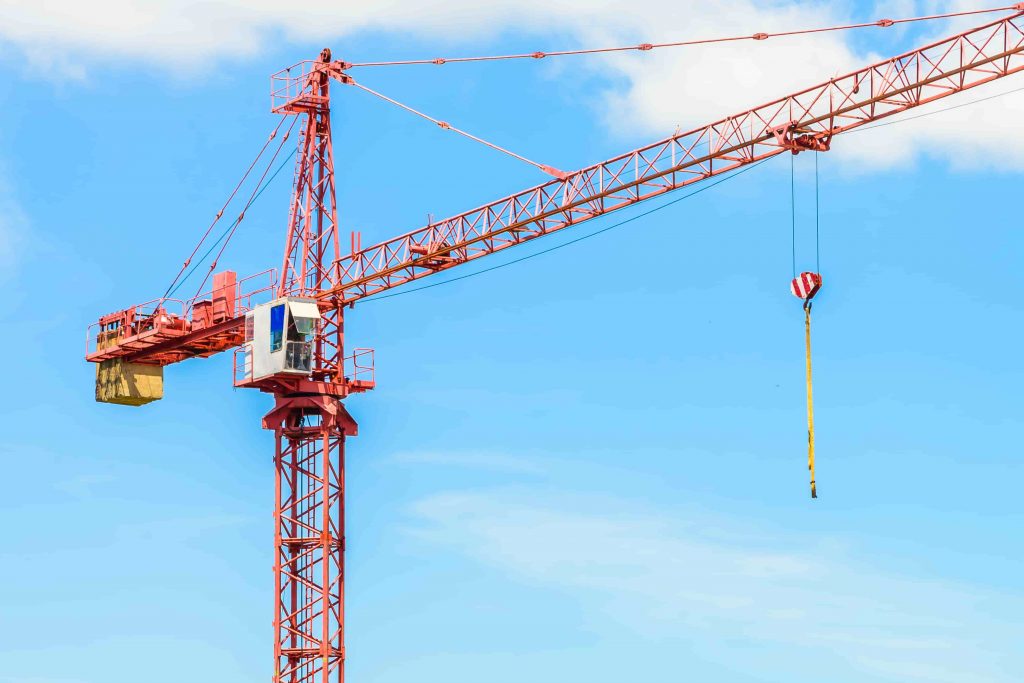
In the high-stakes world of industrial manufacturing, the efficiency of your material handling equipment often dictates the pace of your entire production line. Crane systems are the silent giants of the factory floor, lifting the heavy burdens that keep supply chains moving. However, like any complex machinery, they are prone to operational hurdles that can lead to significant financial losses, severe safety hazards, and halted production timelines.
For facility managers and business owners, understanding these challenges is the first step toward optimising operations. Whether you are retrofitting an old unit or planning a new facility with Choice Prefab LLP, addressing these common issues proactively can save millions in the long run.
Here are the five most common challenges faced by factories regarding crane systems and actionable strategies to solve them.
1. Structural Misalignment and Skewing
One of the most frequent mechanical issues in crane systems is misalignment. This occurs when the crane bridge does not track straight down the runway rails, a phenomenon often referred to as “skewing”.
The Challenge
When a crane skews, it creates excessive stress on the wheels, runway beams, and the building structure itself. You might notice loud scraping sounds, flaking metal near the rails, or wheels that wear out unevenly. If left unchecked, this can compromise the integrity of the crane construction, leading to derailment or structural failure.
The Solution
- Precision Installation: The root cause is often improper installation of the runway beams. Ensure that the runway infrastructure for your building crane is aligned using laser precision tools during the initial setup.
- Regular Runway Audits: Schedule annual runway surveys. Over time, building settlements can shift the rails. A professional audit will identify deviations before they destroy your wheels.
- Floating End Trucks: Consider upgrading to rotating axle end trucks that allow for minor misalignments without transferring stress to the crane manufacturing components.
2. Electrical Faults and Control System Failures
Modern crane systems rely heavily on intricate electrical components. From contactors to variable frequency drives (VFDs), these parts are the brain of the operation, but they are also the most vulnerable to harsh industrial environments.
The Challenge
Factories often face issues with intermittent power, blown fuses, or unresponsive controls. This is frequently caused by the carbon dust build-up from collector shoes or simply the wear and tear of contactors that cycle thousands of times a day. In humid or dusty environments, industrial crane electrical panels can short-circuit, causing immediate production halts.
The Solution
- Protected Electrification: Utilise enclosed track electrification bars (conductor bars) rather than open wire systems to protect against dust and debris.
- VFD Integration: Replace magnetic contactors with Variable Frequency Drives (VFDs). VFDs offer smoother acceleration and deceleration, which not only protects the load but also significantly reduces the electrical wear on the motor.
- Preventive Maintenance: Routine thermal imaging of electrical panels can spot overheating components before they fail.
3. Excessive Wear on Wire Ropes and Wheels
The wire rope is the muscle of your crane systems, bearing the direct tension of every lift. Similarly, wheels endure the friction of movement. Both are “consumables”, but rapid degradation indicates a deeper problem.
The Challenge
“Birdcaging” (where wire strands unravel), kinking, or broken wires are clear signs of distress. This often happens due to crane safety violations, such as side-pulling, where operators try to lift a load that isn’t directly underneath the hoist. This puts lateral stress on the rope and the drum grooves, chewing them up effectively.
The Solution
- Operator Training: Strict adherence to vertical lifting protocols is non-negotiable. Training operators to centre the hoist over the load eliminates side-pulling stresses.
- Proper Lubrication: A dry wire rope is a dying wire rope. Implement a lubrication schedule using wire-rope-specific lubricants that penetrate the core without attracting excessive abrasive dust.
- Hardened Wheels: Ensure your crane manufacturing specifications include wheels heat-treated to a hardness that matches or slightly exceeds the rail hardness to balance wear.
4. Safety Hazards and Load Drops
Safety is paramount. A failure in crane systems doesn’t just damage products; it endangers lives.
The Challenge
Accidents often stem from rigging failures, overloading, or lack of communication. An industrial crane pushed beyond its rated capacity can suffer catastrophic structural fatigue. Furthermore, older systems may lack modern safety limiters, making them prone to “two-blocking” (where the hook block crashes into the hoist drum).
The Solution
- Load Limiters: Install overload protection devices that automatically prevent the crane from lifting if the weight exceeds capacity.
- Anti-Collision Systems: For runways with multiple cranes, optical or laser-based anti-collision systems are essential to prevent heavy machinery from crashing into one another.
- Rigorous Inspections: Daily pre-shift inspections by operators and mandated annual third-party inspections are the backbone of crane safety.
5. Poor Integration with Pre-Engineered Buildings (PEB)
A crane does not float in mid-air; it relies on the building for support. A common oversight is treating the crane and the building as separate entities.
The Challenge
Installing heavy-duty crane systems into a building not designed for dynamic loads can cause vibrations, roof leaks, and even structural cracks. Many manufacturers struggle when trying to retrofit cranes into standard sheds that lack the requisite stiffness.
The Solution
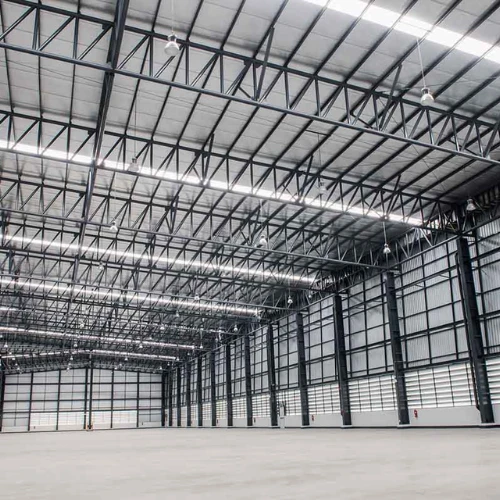
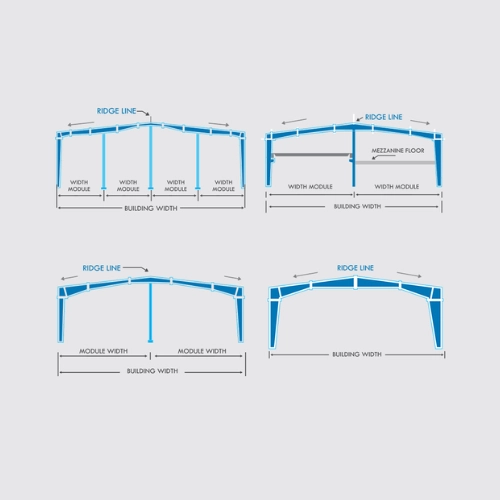
- Holistic Design: The most effective solution is to integrate the crane design with the building design from day one. This is where partnering with specialised Peb manufacturers in Ahmedabad like Choice Prefab LLP becomes a strategic advantage.
- Reinforced Columns: Ensure the PEB structure features built-in brackets and reinforced columns, engineered using advanced dynamic load analysis to handle the specific vibrations and stresses of your crane model.
Optimising Industrial Crane Performance with Choice Prefab LLP
Solving these challenges requires more than just repairs; it requires a partner who understands the synergy between the structure and the machine. At Choice Prefab LLP, we specialise in delivering comprehensive industrial solutions.
As leading Peb manufacturers in Ahmedabad, we don’t just build sheds; we engineer environments. Our expertise in crane construction integration ensures that your pre-engineered building is optimised to support various crane systems, from EOTs to Monorails.
Why Choose Choice Prefab LLP?
- Custom Engineering: We design structures that account for the specific wheel loads and vibrations of your intended crane.
- Durability: Our steel structures are fabricated to withstand the rigors of heavy industrial use, minimising misalignment issues.
- One-Stop Solution: By handling both the PEB structure and the crane support integration, we eliminate the friction between different vendors, ensuring a seamless setup.
Frequently Asked Questions (FAQs)
Q1: How often should crane systems undergo maintenance?
A: Crane systems should undergo a visual inspection daily by the operator. Comprehensive preventive maintenance should be scheduled quarterly or semi-annually depending on the usage duty cycle (Class A to F), with a mandatory annual inspection by a certified professional.
Q2: Can I install a crane in my existing PEB warehouse?
A: Yes, but it requires a structural audit. As experienced Peb manufacturers in Ahmedabad, Choice Prefab LLP can assess your current structure to determine if it can support an industrial crane or if independent gantry supports are needed.
Q3: What is the most common cause of crane wire rope failure?
A: The most common cause is “side-pulling” (lifting a load that isn’t centred) and lack of lubrication. Both issues accelerate wear and compromise crane safety.
Q4: What is the difference between a top-running and under-running building crane?
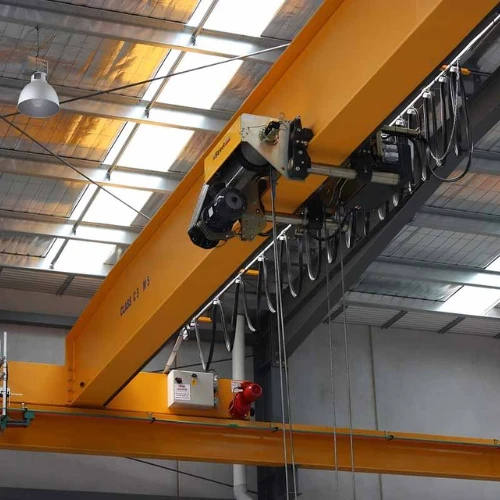
A: A top-running crane rides on rails mounted on top of the runway beams, offering higher load capacity. An under-running crane hangs from the bottom flange of the runway beam, which is better for maximizing floor space but typically has a lower weight capacity.
Q5: How does Choice Prefab LLP ensure crane safety in their designs?
A: We integrate safety into the crane construction phase by designing PEB columns with adequate stiffness to resist sway and vibration, ensuring the runway remains aligned and stable, which is critical for safe operation.
Ready to elevate your factory’s efficiency? Invest in crane systems that are supported by world-class infrastructure. Visit Choice Prefab LLP today for a consultation on how our integrated PEB and crane solutions can optimise your facility’s safety and ROI.